How to Avoid Common Mistakes with Solar Lighting Systems?

Time:2026-08-08 Author:Ethan
0%

Solar lighting systems are becoming a popular choice for energy-efficient outdoor illumination. However, many homeowners make critical errors during the selection and installation process. Understanding “what are the common mistakes with solar lighting systems” can help users avoid costly issues.

Selecting the wrong type of solar light can lead to disappointment. For instance, choosing fixtures that lack adequate brightness can leave dark areas in your yard. Additionally, many people underestimate the importance of sunlight exposure when placing these lights. Poor positioning can drastically reduce their performance.

Improper installation is another frequent error. Some users might overlook securing the panels correctly, leading to damage from strong winds. There's also a tendency to ignore the maintenance needs of solar lights. Neglecting dirt and debris can diminish their efficiency. Reflecting on these aspects can significantly improve your solar lighting experience.
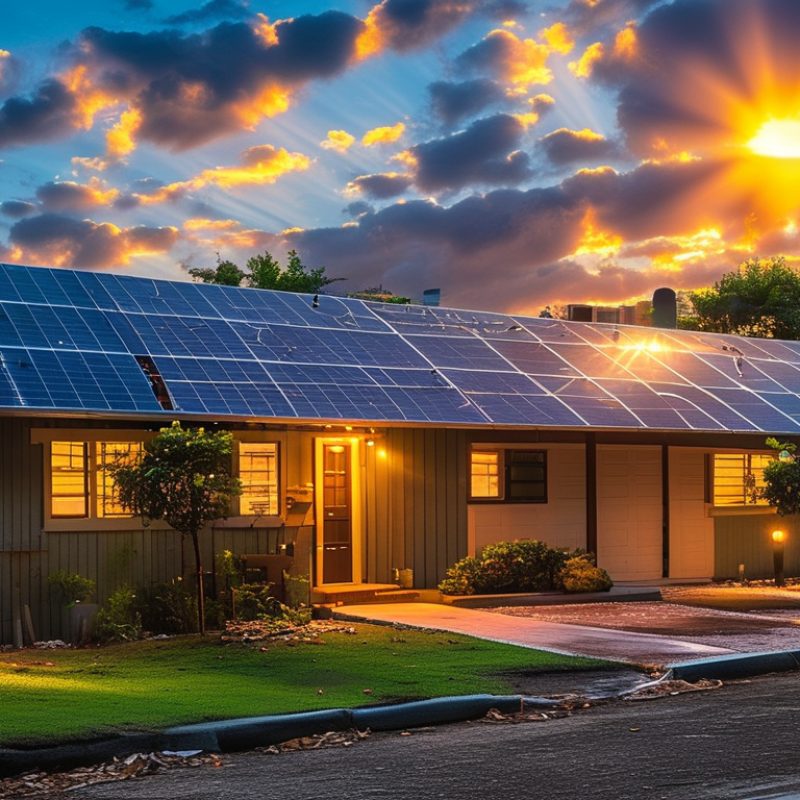
How to Avoid Common Mistakes with Solar Lighting Systems?

Understanding Solar Lighting Systems: Basic Principles and Components

When considering solar lighting systems, understanding their basic principles is crucial. These systems typically consist of solar panels, batteries, LED lights, and controllers. Solar panels capture sunlight, converting it into electricity. This energy charges the batteries, which store power for nighttime use. LEDs are chosen for their efficiency, providing bright illumination while consuming less energy.

However, many users overlook the importance of placement. Solar panels should be positioned where they receive maximum sunlight throughout the day. Shadowed areas can significantly reduce energy capture. Additionally, the battery size must match the expected usage. Underestimating this can lead to inadequate power during evening hours.

Components require regular maintenance, but this is often neglected. Dust and debris can accumulate on solar panels, diminishing their efficiency. Check connections and battery conditions periodically. Users sometimes replace equipment prematurely due to misunderstandings about performance. Proper education on system functionality can extend the longevity of the entire setup. Understanding these nuances can help avoid common pitfalls in solar lighting systems.

Identifying Common Mistakes in Solar Lighting Installation

Installing solar lighting systems can be a simple process, but many make common mistakes. One frequent error is improper placement of solar lights. If positioned in shaded areas, the lights won't receive enough sunlight. This leads to poor performance. Take the time to find suitable spots. Aim for areas that receive direct sunlight for a good part of the day.

Another mistake is overlooking the capacity of the solar panel. Many assume all panels will generate similar power. However, different panels have varying efficiencies based on size and quality. Knowing your system's capacity ensures better energy management. Users often forget to check the battery storage as well. A smaller battery may lead to dim lights or frequent outages.

Choosing the wrong type of solar lights is also a common pitfall. Some designs may not withstand local weather conditions. Users should consider materials and durability. Reflecting on installation choices can lead to better outcomes. Take the time to assess your environment. A little extra effort today can save complications tomorrow.

How to Avoid Common Mistakes with Solar Lighting Systems? - Identifying Common Mistakes in Solar Lighting Installation

Mistake Description Consequence Avoidance Strategies
Insufficient Sunlight Exposure Installing solar lights in shaded areas can reduce their effectiveness. Diminished lighting performance and shorter battery life. Choose locations with maximum sunlight exposure throughout the day.
Improper Installation Height Installing lights too high or too low can affect light distribution. Ineffective illumination of the intended area. Follow manufacturer guidelines for optimal installation height.
Neglecting Battery Maintenance Failing to regularly check and replace batteries as needed. Reduced lighting duration and reliability. Implement a scheduled maintenance check for batteries.
Overloading with Lights Using too many lights on one solar system can drain power. Inconsistent lighting and potential system failure. Calculate the total power needs and match with solar panel capacity.
Ignoring Weather Resistance Installing lights not rated for local weather conditions. Damage to fixtures and reduced lifespan. Choose products specifically designed for environmental challenges.

Choosing the Right Location for Optimal Solar Exposure

Choosing the right location for solar lighting systems is crucial. Solar lights depend on sunlight to function effectively. Poor placement can lead to insufficient charging and reduced performance. Look for areas with direct sunlight for most of the day. Avoid shady spots caused by trees or buildings.

Consider seasonal changes as well. A location that receives full sun in summer may be shaded in winter. It’s wise to monitor sunlight patterns before installation. Test different spots with a temporary light to identify the best placement.

Think about nearby obstacles. Overhanging branches or fences can block sunlight. If you can’t eliminate these issues, adjusting the height of your solar lights may help. Reflect on how long your lights last at night. If they dim quickly, it’s a sign of poor solar exposure. Prioritize finding that optimal zone to enhance your system's efficiency.

Ensuring Proper Maintenance for Longevity and Efficiency

Maintaining solar lighting systems is crucial for their longevity and efficiency. Regular inspections can identify issues early. Check for dirt on solar panels; cleaner panels absorb more sunlight. Ensure the batteries are functioning properly. A weak battery can diminish performance significantly.

Another essential step is to monitor the positioning of your lights. Obstructions from trees or structures can cast shadows. Move the lights to ensure maximum sun exposure. It’s also important to check the wiring and connections. Loose connections may lead to flickering lights or system failure.

Seasonal maintenance should not be overlooked. In fall, clear away leaves that may accumulate around the lights. During winter, snow can block sunlight. Take time to inspect and clean regularly. A proactive approach ensures your system runs efficiently. Overlooking these tasks often leads to unanticipated breakdowns. Reflection on past experiences can guide better maintenance practices in the future.

Common Mistakes with Solar Lighting Systems

Budgeting for Quality: Weighing Initial Costs Against Long-term Savings

When considering solar lighting systems, budgeting wisely is crucial. Initial costs can be deceptive. While premium systems may seem expensive, they often provide long-term savings. Investing in high-quality products can decrease maintenance and replacement expenses over time. According to industry reports, higher-quality solar lights can save up to 50% in energy costs over their lifetime. This shows that cheaper options might not be the best bet long-term.

When planning your budget, prioritize quality over price. Look for systems that boast durability and efficiency. A well-chosen solar lighting system can last for a decade or more. If a lower-priced option only lasts a few years, it may cost you more in the long run.

Here are some tips to consider:
- Research warranties and customer reviews extensively.
- Assess the product's specifications before purchase.
- Calculate potential savings on energy bills over time.

In reflecting on choices, it’s clear that hasty decisions can lead to regrets. Rushed purchases may overlook energy efficiency ratings and material quality. Avoid falling for flashy features that don’t deliver lasting benefits. Always weigh initial costs against potential long-term savings to make a more informed decision.

FAQS

: Why is the location important for solar lights?

: Solar lights need direct sunlight for effective charging. Poor placement results in dim or non-functional lights.

How can seasonal changes affect solar light performance?

A spot sunny in summer might be shaded in winter. Monitor sunlight patterns throughout the year.

What should I do if nearby trees block sunlight?

You can adjust your solar lights' height. This may help to minimize shading issues caused by obstacles.

How can I test the best placement for solar lights?

Use a temporary light to assess different spots before permanent installation. This helps identify optimal locations.

Is it worth investing in higher-quality solar lights?

Yes, premium systems reduce maintenance costs. They often provide long-term savings on energy bills.

What should I look for when budgeting for solar lights?

Prioritize quality, warranties, and customer reviews. Assess durability and efficiency over initial costs.

Why might cheaper solar options end up costing more?

They often have shorter lifespans. Frequent replacements can lead to higher long-term expenses.

How do I avoid making hasty purchasing decisions?

Research specifications and energy efficiency ratings. Don't let flashy features overshadow essential quality.

What signifies poor solar exposure with solar lights?

If lights dim quickly at night, it usually indicates insufficient sunlight during the day.

How long can a well-chosen solar lighting system last?

A quality system can last over a decade with proper installation and exposure to sunlight.

Conclusion

In exploring solar lighting systems, it's crucial to understand their basic principles and components to maximize their effectiveness. One major concern is identifying common mistakes with solar lighting systems during installation, such as poor placement or inadequate sunlight exposure. Selecting the right location is essential for ensuring optimal solar energy capture, which can significantly enhance performance.

Additionally, proper maintenance is vital for the longevity and efficiency of these systems. Regular checks and upkeep can prevent common pitfalls and ensure continuous operation. Finally, when planning your investment, it’s important to budget for quality, weighing initial costs against the long-term savings that a well-functioning solar lighting system can provide. By addressing these aspects, users can avoid common mistakes and benefit from reliable solar lighting.

Ethan

Ethan

Ethan is a seasoned marketing professional with a deep expertise in our company's innovative product line. With a passion for sharing knowledge and insights, he takes the lead in regularly updating our corporate blog, where he explores industry trends, product features, and effective marketing......