When considering portable energy solutions, many consumers find themselves asking, "What is the difference between power packs and power stations?" The growing demand for off-grid power sources has led to a surge in the popularity of these devices. According to a report by MarketsandMarkets, the portable power station market is expected to reach $2.18 billion by 2027, reflecting a significant increase in consumer interest.
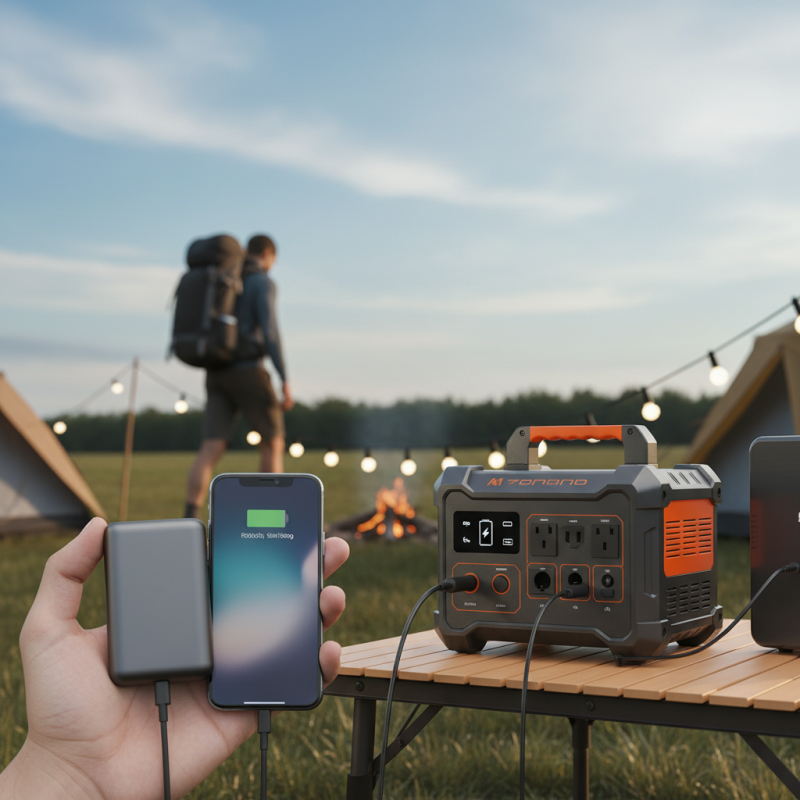
Power packs are typically smaller, lightweight batteries designed for charging small devices like smartphones and tablets. They are convenient for quick, on-the-go power. In contrast, power stations are larger units, often capable of powering more significant appliances and providing extended energy supply. This distinction is critical for consumers who may overlook the specific power needs of their activities.
Understanding the nuances between these two types of energy solutions is essential. Consumers must reflect on their power needs. A hiker may prioritize a compact power pack, while a camper might benefit more from a robust power station. Making the right choice hinges on aligning the product's capabilities with individual energy demands. An informed decision can provide reliable power for various activities.
Understanding the Basics of Power Packs and Power Stations
When contemplating between power packs and power stations, understanding the fundamentals is crucial. Power packs are compact, making them easily portable. They are designed for small devices like smartphones and tablets. Their lightweight nature allows users to carry them in bags or pockets effortlessly.
Conversely, power stations offer more significant capacity for larger devices. They can power laptops, mini-fridges, and other essential appliances. The weight and size of power stations can be challenging for on-the-go scenarios. Yet, they are reliable for longer trips or emergencies.
Both options have their merits, but choosing one may lead to trade-offs in usability and convenience.
While power packs excel in portability, they often lack the capacity for more demanding tasks. Power stations may provide ample energy but are less suited for spontaneous adventures. The decision ultimately hinges on personal needs.
Consider factors like duration of use and the type of devices you plan to charge. A little reflection on your typical usage scenarios can make a significant difference.
Key Features to Consider When Choosing Power Solutions
When selecting between power packs and power stations, it’s crucial to consider several key features. One important aspect is capacity. Power packs typically have a smaller capacity than power stations. If you need to power larger devices or multiple gadgets, opt for a power station. This choice offers more watt-hours, providing sustained energy for your needs.
Another significant feature is portability. Power packs are often lighter and more compact, making them easier to carry. They suit short trips or light usage. In contrast, power stations can be bulkier but are equipped with multiple outlets. Consider your usage scenario before making a decision. Sometimes, a powerful station may be overkill for short, casual outings.
Battery type also matters. Lithium-ion batteries are common in both types but can vary in efficiency and lifespan. Assess your usage patterns. Note that long-term reliability can fluctuate between devices. It’s essential to understand that while a higher price tag might signal better quality, this isn't always a guarantee. Reflecting on these features will help you balance your needs with the available options effectively.
Comparison of Power Packs and Power Stations
This chart compares the key features of power packs and power stations, displaying their capacity in watt-hours (Wh) and weight in kilograms (kg). Power packs are typically more portable with lower capacity and weight, while power stations offer higher energy storage and are heavier.
Comparative Analysis of Power Packs vs. Power Stations
When comparing power packs and power stations, understanding their fundamental differences is key. Power packs are typically compact and lightweight. They provide a limited amount of energy, often ideal for mobile devices. These gadgets are great for short trips and emergencies. However, their capacity can fall short during extended outings or for powering larger devices. They shine in convenience but may require frequent recharges.
On the other hand, power stations offer a more robust solution. They come with higher energy capacities, suitable for camping or emergency situations. Equipped with multiple outlets, they can power several devices simultaneously. However, their bulkiness makes portability a challenge. Users must consider weight versus power needs. A power station may be overkill for a day trip, but essential during a power outage or a weekend getaway.
Reflecting on these choices, it’s crucial to assess personal needs. Are you an outdoor enthusiast who prioritizes portability? Or do you need something more versatile for home use? Balance the convenience of power packs against the capability of power stations. Ultimately, the right choice will depend on your lifestyle and requirements.
How to Choose Between Power Packs and Power Stations? - Comparative Analysis of Power Packs vs. Power Stations
| Feature |
Power Packs |
Power Stations |
| Capacity |
100-500 Wh |
500-2000 Wh |
| Weight |
1-5 lbs (0.5-2.3 kg) |
20-50 lbs (9-23 kg) |
| Input Methods |
USB, Solar |
AC, DC, Solar |
| Output Ports |
1-3 (mostly USB) |
3-10 (USB, AC, DC) |
| Usage |
Mobile devices, small gadgets |
Larger electronics, camping, appliances |
| Recharge Time |
4-6 hours |
8-12 hours |
| Price Range |
$50 - $150 |
$200 - $600 |
Assessing Battery Life and Capacity for Your Needs
When deciding between power packs and power stations, understanding their battery life and capacity is key.
Power packs are typically smaller and lighter, ideal for short trips or daily use. They often have lower capacity, making them suitable for charging smartphones or tablets.
On the other hand, power stations are more robust, with higher capacity. They can power laptops, mini-fridges, or even run small appliances during camping.
Consider how you use your devices. If you need to charge multiple gadgets throughout the day, a power station may be the better choice. It ensures you have enough juice for longer outings.
Think about your charging habits. Do you charge daily or only occasionally? If it's the latter, a power pack can be a compact solution.
Tips: Always check the watt-hour (Wh) rating to determine capacity. Higher Wh means longer-lasting power. Also, look for features like pass-through charging, which allows you to charge the power source while using it.
Reflect on your needs often; over time, your requirements may change, and so should your choice of power source.
Common Use Cases for Power Packs and Power Stations
When considering power packs and power stations, their use cases vary widely.
Power packs are lightweight and portable. They're ideal for charging small devices like smartphones and tablets.
According to a recent industry report, 72% of consumers prefer power packs for daily commuting.
Their compact size makes them a practical choice for travelers and outdoor enthusiasts.
In contrast, power stations are suited for heavier loads. They can run small appliances and power tools.
Research indicates that 65% of users choose power stations for camping and emergency backup.
They provide reliable power sources during outages. Their larger batteries often allow for multiple simultaneous connections.
However, their size limits portability, making them less convenient for everyday use.
The decision between these options often involves trade-offs. Power packs offer convenience and access on-the-go.
Yet, they may not sustain power needs for extended periods.
Power stations deliver robust energy solutions but are bulkier. Reflecting on personal needs can clarify which option may be more beneficial.
Understanding these use cases helps consumers make informed choices.
FAQS
: Battery life and capacity are key factors. Power packs are smaller, while power stations are more robust.
Power packs are ideal for charging smartphones and tablets. They are portable and great for daily use.
Use a power station for heavier loads, like laptops and small appliances, especially during camping or outages.
If you charge devices daily, a power station may be better. For occasional use, a power pack is sufficient.
The Wh rating shows the battery capacity. Higher Wh means longer-lasting power for your devices.
Yes, features like pass-through charging are useful. They let you charge while using the device.
Generally, no. Power packs may not support extended power needs effectively.
Power stations are bulkier and less convenient for everyday carry. They are better for stationary use.
Yes, reflect on your needs often. As your device usage evolves, your power source may need to change.
Absolutely. Power packs offer convenience, while power stations provide robust energy solutions with less portability.
Conclusion
When considering portable energy solutions, understanding the difference between power packs and power stations is essential. Power packs are typically smaller, lightweight batteries suited for charging small devices like smartphones and tablets, making them ideal for daily use or short trips. In contrast, power stations are larger units designed to power multiple devices simultaneously, including high-demand electronics like laptops and even small appliances, making them better for camping or emergency situations.
Key features to consider include battery life, capacity, and portability. When assessing your needs, think about how you plan to use these devices: for quick charges or extended use. A comparative analysis reveals that power packs shine for convenience, while power stations excel in versatility. Ultimately, your choice should reflect the specific use cases you encounter, ensuring that you have the right energy solution for your lifestyle.

 Eco Sun Power