Using solar-powered appliances can significantly reduce energy costs and promote sustainability. However, many people encounter pitfalls along the way. What are the top mistakes when using solar-powered appliances? These errors can limit efficiency and nullify the benefits of solar energy.
For example, incorrect positioning of solar panels can hinder their ability to capture sunlight. Installing them in shaded areas or failing to tilt them properly reduces their effectiveness. Misunderstanding the energy needs of your appliances is another common issue. Overloading your solar system leads to battery drain and malfunction.
Moreover, neglecting maintenance can lead to decreased performance and system failure. Dust accumulation on solar panels may block sunlight, causing inefficiency. Many users overlook routine checks, assuming their systems will work perfectly. By understanding these common mistakes, you can enhance your experience with solar-powered appliances. Embracing best practices ensures you benefit from renewable energy.
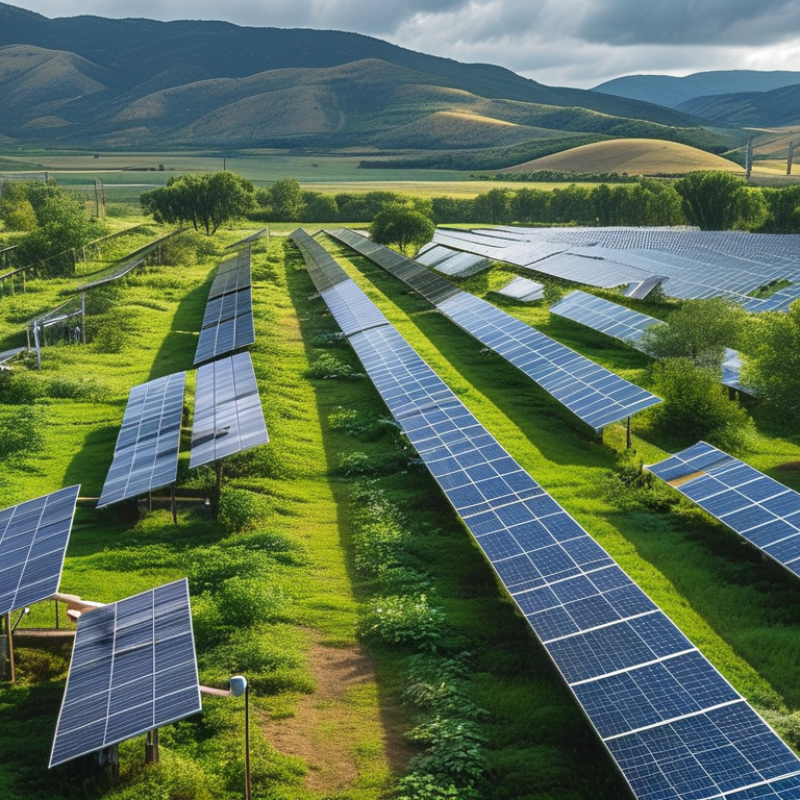
Understanding solar powered appliances is crucial for maximizing their benefits. These devices harness sunlight to generate electricity, providing a sustainable energy source. Efficiency ratings play a significant role in determining how well these appliances perform. They indicate how much sunlight is converted into usable energy. Knowing this can help consumers make informed decisions.
Efficient solar appliances can significantly lower electricity bills. Look for products with high efficiency ratings. This can save money and increase your return on investment. However, not all appliances meet expectations. Some models may perform poorly due to environmental factors like shade or seasonal changes. Researching and reading reviews can help avoid pitfalls.
Consider the installation location for optimal performance. Ensure solar panels receive direct sunlight for most of the day. Failure to do so can lead to energy loss. Consumers often underestimate these factors, affecting appliance efficiency. Regular maintenance is also key. Clean solar panels accumulate dust and debris, reducing energy absorption. Small adjustments and vigilant care can yield positive results over time.
When installing solar-powered appliances, overlooking key details can lead to significant issues. For instance, improper placement can drastically reduce efficiency. According to the National Renewable Energy Laboratory, devices can lose up to 30% of their output if not installed in optimal locations. Positioning appliances in shaded areas or at the wrong angle negatively affects performance.
Another common mistake is inadequate sizing of solar systems. Many underestimate their energy needs, resulting in excess reliance on grid power. Data from the Solar Energy Industries Association shows that 20% of solar installations are undersized, causing frustration and unexpected expenses. It’s critical to assess energy consumption accurately. Miscalculating can lead to underperformance and constant battery failures.
Additionally, ignoring regular maintenance can impair solar appliances. Dust accumulation and wear can cut efficiency dramatically. Regular cleaning and check-ups are essential for optimal performance. Experts recommend inspecting installations at least twice a year. Small issues can escalate into costly repairs if neglected. Emphasizing proper installation and maintenance facilitates long-term reliability and efficiency in utilizing solar technology.
Using solar-powered appliances can be an excellent way to reduce your carbon footprint. Yet, optimizing their performance requires proper techniques. Understanding how to maximize energy output is crucial for efficiency. Ensure your solar panels receive direct sunlight as much as possible. Regularly clean the panels to remove dirt, dust, and debris. This simple step can significantly enhance their ability to generate power.
Adjusting your usage patterns can also make a difference. Try to use appliances during peak sunlight hours. This ensures that they draw energy when it’s most abundant. It's common for users to overlook energy storage systems. Make sure they're functioning well and fully charged. If you notice inconsistencies in performance, check the connections and battery health. Small mistakes, like choosing the wrong sized inverter, can lead to wasted potential.
Lastly, monitor your usage closely. This may seem tedious, but it helps identify inefficiencies. Keep a log to track performance over time. Reflecting on this data can reveal patterns, allowing for better energy management. Remember that every installation is unique, and sometimes adjustments are necessary for optimal results. Embracing this iterative process can lead to greater satisfaction with your solar experience.
Maintaining solar-powered appliances is crucial for their optimal performance and longevity. Regular cleaning is essential. Dust and debris can block sunlight. Use a soft cloth or a brush to gently clean solar panels. This small task can significantly enhance energy collection. Remember to check connections and cables. Ensure they are secure and free from corrosion.
Consider the placement of your solar devices. Overhanging branches or nearby structures can cast shadows, reducing efficiency. Assess the surrounding environment regularly. If trees grow or structures change, you might need to reposition your devices. Monitoring battery health is also vital. Batteries should be regularly checked and replaced if they show signs of wear.
Finally, it's important to recognize signs of distress. Unusual noises or decreased performance might indicate issues. Addressing these problems early can save you time and money. Maintenance requires attention, yet it can be rewarding. Proper care ensures your solar appliances serve you well for years.
When investing in solar-powered appliances, understanding the return on investment (ROI) is crucial. A recent report from the National Renewable Energy Laboratory indicates that, on average, solar appliances can save homeowners about $1,000 annually on energy costs. However, initial installation costs can be high. Buyers must evaluate their local electricity rates and potential savings.
Many overlook the maintenance costs associated with solar appliances. According to the Department of Energy, annual maintenance can account for up to 5% of the original investment. Additionally, the best scenarios for ROI occur when users select the right appliance for their specific energy needs. Miscalculating this can lead to underperformance and wasted funds.
Long-term planning is essential. A study published by the Solar Energy Industries Association reveals that users who consider future energy price increases see greater savings. The ROI may diminish if appliances are not properly matched to user demands. Investing in solar technology brings promise, but it requires careful consideration and thorough research.
: They use sunlight to generate electricity, providing sustainable energy.
They show how much sunlight turns into usable energy. Higher ratings mean better performance.
Yes, efficient models can save you money on energy costs over time.
Ensure solar panels get direct sunlight most of the day. Shade can cause energy loss.
Regular cleaning is vital. Dust reduces energy absorption.
Understanding ROI helps evaluate long-term savings against initial investment costs.
Yes, maintenance can account for 5% of the original investment annually.
Miscalculating needs can lead to poor performance and wasted money.
Small adjustments and regular care can improve results over time.
Yes, it helps maximize savings, especially with rising energy prices.
In the growing world of renewable energy, understanding solar-powered appliances and their efficiency ratings is crucial for optimal performance. However, many users fall into common pitfalls during installation, often neglecting best practices that ensure maximum functionality. What are the top mistakes when using solar-powered appliances? These include improper placement, inadequate maintenance, and failure to assess energy output accurately.
To avoid these missteps, it's essential to adopt proper usage techniques and implement regular maintenance routines, which significantly enhance the lifespan of these devices. Additionally, evaluating the cost-benefit aspect can help users understand the return on investment (ROI) associated with solar appliance purchases. By recognizing and addressing these issues, users can enjoy the full benefits of their solar technology while contributing to a sustainable future.

Eco Sun Power