Top 10 Ways to Set Up Emergency Power for Natural Disasters?

Time:2026-05-05 Author:Mason
0%

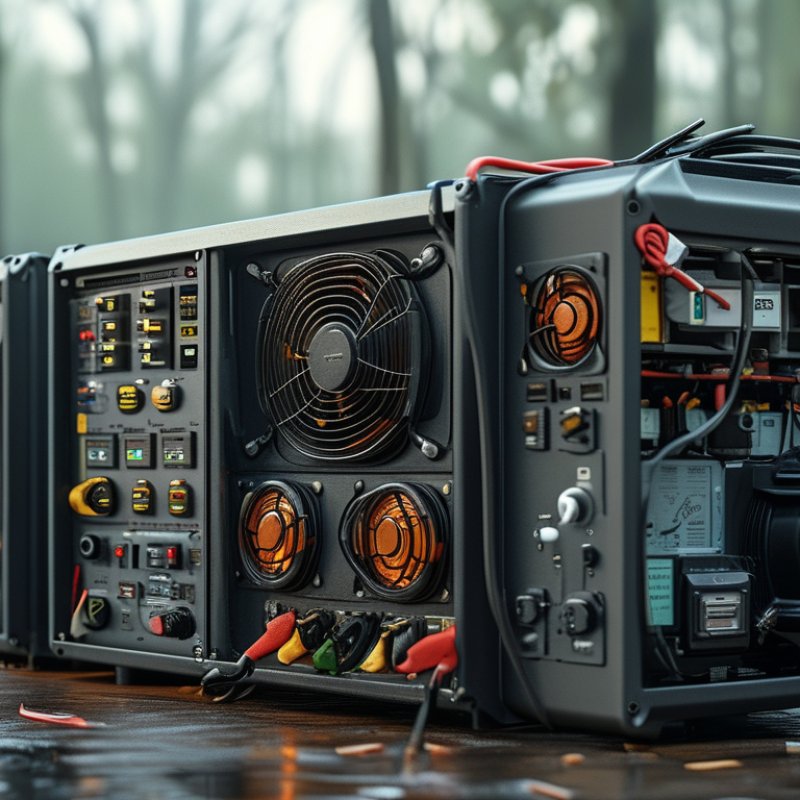
Natural disasters can strike unexpectedly, leading to power outages and severe disruptions. Knowing how to set up emergency power for natural disasters is essential for safety and comfort. During hurricanes, storms, or wildfires, having a reliable power source can make a significant difference.

Power outages can leave families in vulnerable situations. An effective plan requires proper equipment and preparation. A portable generator, solar panels, or battery backup systems may serve as viable options. Understanding the strengths and weaknesses of each method is crucial for effective implementation.

Investing time in planning your emergency power strategy can pay off. It may prevent the loss of food, medical supplies, and communication during critical times. These practical steps can bolster your resilience when faced with unexpected challenges. Reflect on available resources and ensure you are prepared; it might save more than just electricity.

Top 10 Ways to Set Up Emergency Power for Natural Disasters?

Evaluating Your Power Needs for Emergency Situations

Evaluating your power needs during a natural disaster is crucial for effective emergency preparedness. An estimated 70% of U.S. households rely on electricity for basic needs. In sudden outages, these homes can face severe challenges. Before choosing an emergency power solution, identify essential devices that need backup. Refrigerators, medical equipment, and heating or cooling systems are typically top priorities.

Understanding wattage requirements for each device is vital. The U.S. Department of Energy states that a standard refrigerator requires about 200-800 watts. Medical equipment can demand even more. For a typical home, a generator with at least 5,000 watts may be necessary to power multiple devices simultaneously. Proper calculations can prevent overloading.

Consider the fuel types for generators too. Gasoline, propane, and solar power each have unique considerations. Gasoline has a limited shelf life and can be volatile. Propane tanks require adequate storage and handling. Solar-powered systems have upfront costs but offer long-term reliability. Without a clear plan, preparedness can falter as situations evolve during a disaster. Planning might also involve local ordinances or safety regulations that could affect power sourcing. It is important to check these details ahead of time.

Top 10 Ways to Set Up Emergency Power for Natural Disasters

Choosing the Right Backup Power Source for Your Home

When choosing the right backup power source for your home, several options exist. Generators are popular due to their high output capacity. They can power appliances, heat your home, and even run medical equipment. However, installation and maintenance can be complex. It’s essential to consider the noise they produce too. This may affect your neighbors, especially in tight communities.


Solar power systems are another viable option. They harness sunlight, providing a renewable energy source. This option is eco-friendly, reducing your carbon footprint. Installation costs can be high, but federal incentives may help. Reliability during cloudy days is a consideration, as solar can't generate power effectively without sunshine.


Battery backups, like lithium-ion systems, are gaining popularity. They store energy for later use, allowing you to discharge power when needed. These systems can be combined with solar panels for a more stable supply. However, capacity limits may restrict the number of devices you can run simultaneously. Evaluating your specific needs is crucial. Each option has its pros and cons, requiring careful thought before committing.

Installing a Reliable Generator Safely and Effectively

During natural disasters, having a reliable generator can be crucial. According to the Federal Emergency Management Agency (FEMA), nearly 77% of Americans live in areas prone to power outages. Proper installation is critical for safety and effectiveness. Following local codes ensures reliability.

Consider the generator’s fuel type. If you choose gas, ensure a safe, ventilated storage area. Moreover, keeping extra fuel on hand is advisable. The National Fire Protection Association (NFPA) reports that improper generator use causes many home fires annually. Using the generator outdoors reduces risks.

It's also essential to hire a qualified electrician to handle electrical connections. They can help you avoid back-feeding into the grid. This can create dangerous conditions for utility workers. Regular maintenance checks are important. Generators should be tested at least once a month. However, many overlook this, which can lead to failures during critical times.

Top 10 Ways to Set Up Emergency Power for Natural Disasters

Method Description Safety Tips Estimated Cost
Portable Generator Easily transportable and can power essential appliances. Always use outdoors to prevent carbon monoxide poisoning. $300 - $1,500
Standby Generator Automatically turns on when power goes out. Install by a professional to ensure safety and functionality. $2,000 - $7,000
Solar Power System Provides renewable energy and can be stored in batteries. Ensure panels are installed in sunlight-rich areas. $5,000 - $20,000
Inverter Generator Offers quiet operation and is highly efficient. Do not overload; check wattage requirements of devices. $500 - $3,000
Battery Backup System Stores energy for power outages, ideal for critical devices. Regularly check the state of batteries; replace as needed. $200 - $2,000
Whole House Generator Powers the entire home; ideal for extended outages. Requires professional installation and maintenance. $5,000 - $15,000
Propane Generator Utilizes propane tanks; good for long-term storage. Ensure proper ventilation and fuel storage. $500 - $4,000
Wind Turbine Converts wind energy into electricity; effective in windy areas. Must be installed away from tall structures or trees. $10,000 - $30,000
Hybrid Generators Combines gas and solar power for flexibility. Balance usage of both energy sources for efficiency. $1,500 - $7,000

Creating an Emergency Power Plan for Your Family

Creating an emergency power plan for your family is essential, especially during natural disasters. Having a clear strategy can ensure safety and comfort. Start by listing essential appliances like refrigerators and medical devices. This will help you understand your power needs.

Tips: Store batteries and flashlights in accessible locations. Regularly check expiration dates and replace them as needed. Additionally, consider investing in a portable generator. This can provide immediate power during outages. Remember to practice safe usage to avoid hazards.

Engaging family members in planning discussions is crucial. Everyone should know how to access emergency supplies. Create a communication plan to stay connected. This can be as simple as setting up group texts before disasters strike. Involve kids in assembling an emergency kit. They can learn important skills while contributing to the plan.

Moreover, periodically review your emergency plans. Situations change, and so do power needs. Take time to adapt your strategy. This ensures you stay prepared. Flexibility is key in facing unforeseen circumstances.

Maintaining and Testing Your Emergency Power Setup Regularly

When setting up emergency power for natural disasters, maintaining and testing your setup is crucial. Regular maintenance ensures that all components work effectively when needed. According to the Electrical Safety Foundation International (ESFI), roughly 3,000 people are injured annually due to power-related incidents. Thus, routine checks can drastically reduce these risks, especially during emergencies.


Consider establishing a testing schedule. Run your generator or backup system at least once a month. This practice can identify potential failures before a storm hits. Be aware that a recent survey by the Federal Emergency Management Agency (FEMA) found that nearly 60% of households do not have a functional backup power source, revealing a significant gap in preparedness.


It's vital to document all your maintenance activities. When was the last time you tested the system? Records can help track issues and ensure reliability. Keep extra fuel on hand, but remember to rotate it. Stale fuel can lead to system failure. By being proactive and consistent with your emergency power setup, you can enhance safety and resilience in the face of natural disasters.

FAQS

: Why is evaluating power needs important for emergencies?

: It helps identify essential devices needing backup power during outages. Planning ahead can ease challenges.

What devices typically need backup power?

Refrigerators, medical equipment, and heating or cooling systems are usually top priorities.

How do I determine wattage requirements for my devices?

The U.S. Department of Energy estimates that refrigerators can need 200-800 watts. Medical devices often need more.

What size generator do I need for my home?

A generator with at least 5,000 watts is advisable to power multiple devices at once.

What fuel types should I consider for generators?

Gasoline, propane, and solar power have different pros and cons. Each needs proper handling and storage.

How often should I test my emergency power system?

It’s recommended to test your generator or backup system at least once a month to catch potential problems.

Why is maintenance important for emergency power setups?

Regular maintenance can prevent injuries and ensure systems function effectively during emergencies.

What should I keep track of regarding maintenance?

Document when you last tested the system. Keeping records helps in assessing reliability and tracking issues.

How can stale fuel affect my generator?

Stale fuel can lead to system failure. Rotate fuel regularly to maintain an operational supply.

What percentage of households lack backup power sources?

A FEMA survey revealed that nearly 60% of households do not have a functional backup power source.

Conclusion

When considering how to set up emergency power for natural disasters, it's crucial to first evaluate your power needs to ensure your family can maintain essential functions during an outage. This includes understanding what appliances and systems are critical for your household's comfort and safety.

Choosing the right backup power source, such as generators or battery backups, is the next step. It's important to install these systems safely and effectively, adhering to all safety guidelines. Developing a comprehensive emergency power plan tailored to your family's specific needs will help everyone know how to respond in an emergency. Finally, maintaining and regularly testing your emergency power setup is essential to ensure reliability when you need it most.

Mason

Mason

Mason is a seasoned marketing professional with a deep expertise in the company's offerings and a passion for driving brand awareness. With a strong background in digital marketing strategies, he has an innate ability to connect with diverse audiences and effectively communicate product benefits.......