Using portable power stations can greatly enhance our outdoor experiences, but it’s crucial to know how to safely use portable power stations. These devices are designed to provide energy when you need it most. However, improper use can lead to dangerous situations.
Safety is paramount. Understanding the specifications of any device you plan to power is essential. Check wattage limits to avoid overheating. Familiarity with your power station will help prevent mishaps. Looking for indicators, such as warning lights, can also guide safe operation.
We must recognize that accidents happen, even to experienced users. Mistakes can lead to equipment failure or even hazards like fires. Reviewing common errors can help refine our approach to using these tools. By implementing best practices, we can enjoy the benefits of power stations while minimizing potential risks. Embrace both the benefits and the responsibilities that come with this technology.
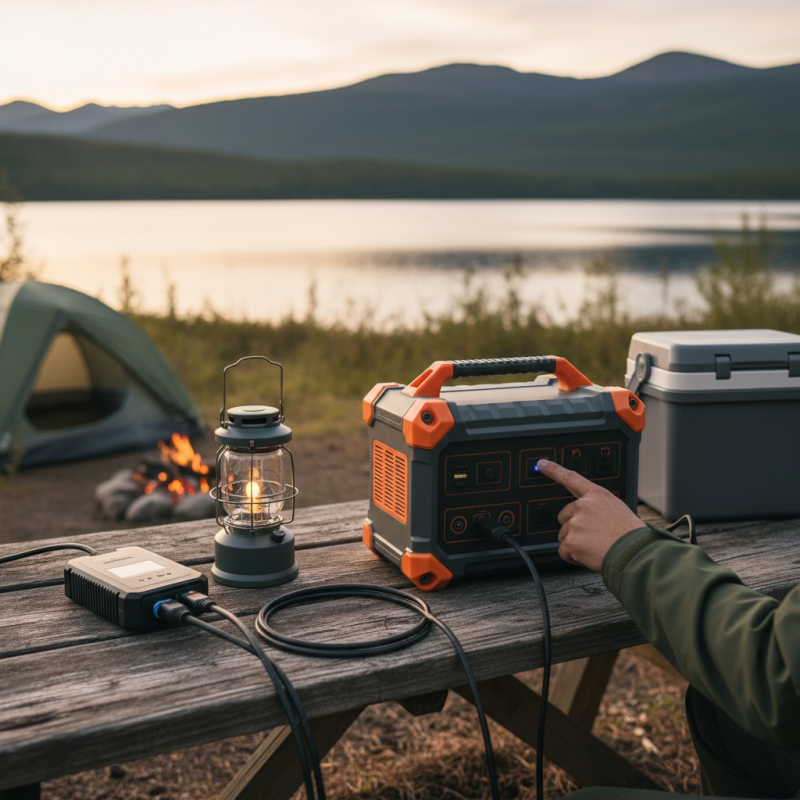
Portable power stations are becoming increasingly popular for outdoor enthusiasts and emergency situations. These devices provide versatile power options for devices like laptops, lights, and small appliances. Reports indicate that the growth of the portable power station market is projected to reach $1.2 billion by 2025, signaling a rising demand for reliable off-grid energy solutions.
One of the major benefits of portable power stations is their eco-friendliness. Many models utilize lithium-ion batteries, which are efficient and have a lower environmental impact compared to traditional gas generators. Data from the Department of Energy suggests that transitioning to renewable energy sources can cut carbon emissions by up to 70%. However, users must be aware of the battery lifespan; it typically degrades after 500 to 1,000 charging cycles, depending on usage and care.
Safety is paramount when using these devices. Overloading the station can cause malfunctions or damage. It’s essential to understand the wattage limits of your power station. Users should also consider that extreme temperatures can affect performance. For example, most portable power stations should not operate below freezing to prevent battery damage. By prioritizing safety and understanding the operational parameters, users can maximize their experience with portable power stations while minimizing risks.
Choosing the right portable power station is crucial for your outdoor trips or emergency needs. First, assess your power requirements. Identify how many devices you plan to use. Will you charge a smartphone, run a mini fridge, or power tools? Each device requires a different wattage. This knowledge will help you pick a station that meets your needs.
Battery capacity is another key factor. Look for stations with lithium-ion batteries. They are lighter and last longer than traditional lead-acid batteries. However, keep in mind that higher capacity means heavier weight. Consider how portable you need the station to be. A balance between capacity and weight is essential.
When using portable power stations, practice safety. Avoid overloading the unit to prevent overheating or damage. Always charge the station in a well-ventilated area. And remember to regularly check for wear and tear. It’s vital to ensure all connections are secure. These practices can prolong the life of your power station and keep you safe.
When using portable power stations, safety practices are crucial. Many users underestimate the risks. According to a report from the Consumer Product Safety Commission, mishandling battery-powered devices results in over 12,000 injuries annually. Understanding how to use these devices safely can reduce accidents significantly.
Always place power stations on a stable surface. They should not be exposed to moisture. Batteries can leak or swell, leading to hazards. Studies suggest that nearly 30% of incidents involve improper outdoor use. Keep them away from heat sources. High temperatures can cause overheating or fires. Pay attention to the manufacturer's guidelines for maximum wattage usage, as exceeding this limit can also trigger dangerous situations.
Regular inspections are vital. Check for any signs of damage, such as frayed wires or cracks. Neglecting maintenance can lead to unexpected failures. Experts recommend keeping fire extinguishers nearby when using power stations. This is a practical safety measure. The more informed you are about potential risks, the safer your experience will be.
Proper maintenance and storage are crucial for the longevity of portable power stations. Regularly check the battery health. Many users overlook this step, leading to reduced performance. It’s vital to recharge the battery every three months, even when not in use. This practice prevents it from discharging too deeply. Store the unit in a cool, dry place. Extreme temperatures can cause irreversible damage. Avoid areas with high humidity.
When using the power station, avoid overloading it. Many people try to connect too many devices, which can lead to overheating. Keep the power station on a flat surface to promote airflow. Remember to dust the vents regularly and check for debris. This simple step can enhance efficiency and safety. For added care, inspect cables and connections for wear. A frayed wire can lead to unexpected failures.
Remember to follow the manufacturer’s guidelines for storage. Some users leave their units fully charged, thinking it’s better for the battery. This can backfire. Ideally, store it with a 50% charge. Also, ensure any connected devices are disconnected during storage. This reduces the risk of draining the battery. Cleaning the power station after every use extends its life. A simple wipe can prevent dirt and grime buildup.
Emergency situations can arise unexpectedly. Portable power stations are invaluable tools for providing electricity when the grid fails. While they offer convenience, safety must always be a priority.
When using a portable power station, it’s crucial to read the manual thoroughly. Many users overlook this step, which can lead to misuse. Ensure you understand how to charge and operate the unit properly. Familiarize yourself with the ports and their limitations. Avoid overloading the power station; doing so can damage the device or cause safety hazards.
Always use your power station in well-ventilated areas. Generators can emit harmful fumes if not used correctly. Regularly inspect your equipment for any signs of wear or damage. Don’t ignore issues, thinking they will resolve themselves. Taking small steps, like securing cables and avoiding water exposure, can prevent accidents. Remember, even slight negligence can lead to serious outcomes. Investing in safety gear, like gloves and goggles, is also wise when setting up your power station.
| Tip No. | Tip Title | Description |
|---|---|---|
| 1 | Read the Manual | Familiarize yourself with the specifications and safety precautions of the power station. |
| 2 | Use in Well-Ventilated Areas | Ensure that the power station is used outdoors or in a space with ample ventilation. |
| 3 | Check for Damage | Inspect the power station for any visible damage before use. |
| 4 | Avoid Overloading | Ensure that the total wattage of devices does not exceed the power station's output limit. |
| 5 | Keep Away from Water | Keep the power station dry to prevent electrical hazards. |
| 6 | Use Proper Cables | Utilize the cables that come with the power station to ensure compatibility. |
| 7 | Charge Before Use | Fully charge the portable power station before relying on it for power. |
| 8 | Disconnect When Not in Use | Unplug devices from the power station when not in use to conserve battery life. |
| 9 | Store in a Cool Place | Store the power station in a cool, dry area to extend its lifespan. |
| 10 | Regular Maintenance | Regularly check and maintain the power station for optimal performance. |
: They provide power for devices like laptops, lights, and small appliances during outdoor activities or emergencies.
Many use lithium-ion batteries, which have a lower environmental impact than traditional gas generators.
The market is projected to reach $1.2 billion by 2025, indicating rising demand for off-grid energy solutions.
Their lifespan usually degrades after 500 to 1,000 charging cycles, depending on usage and care.
Overloading or improper usage can cause malfunctions, damage, or even safety hazards.
Most portable power stations shouldn't be used below freezing to avoid battery damage.
Many overlook reading the manual, leading to misuse and potential safety issues.
These devices can emit harmful fumes, so they should be used in well-ventilated areas.
Checking for wear or damage can prevent accidents and ensure the power station functions safely.
Securing cables, avoiding water exposure, and wearing safety gear can help prevent serious outcomes.
Portable power stations are versatile devices that provide energy during outdoor adventures or power outages. To harness their benefits safely, it’s crucial to understand their features and specifications. When selecting a portable power station, consider factors such as capacity, weight, and intended use to find the best fit for your needs.
How to safely use portable power stations involves adhering to essential safety practices. These include avoiding overloading the unit, ensuring proper ventilation during operation, and regularly inspecting cables and connections for wear. Additionally, proper maintenance and storage are vital for longevity, informing users of how to keep their devices in optimal condition. Lastly, integrating portable power stations into emergency preparedness plans allows users to ensure that they can rely on these systems safely during unforeseen situations.

Eco Sun Power