In an age where sustainability is paramount, off-grid systems are gaining traction. These systems often rely on batteries as their lifeblood. However, managing battery longevity is a challenge for many. Understanding how to extend battery life in off-grid setups can significantly impact efficiency and cost-effectiveness.
According to a report from the Renewable Energy World, nearly 70% of users in remote locations face battery management issues. Poor maintenance and inadequate charging practices can shorten battery life dramatically. Research suggests that improper usage can reduce battery lifespan by up to 50%. Therefore, it is crucial to implement best practices for battery care.
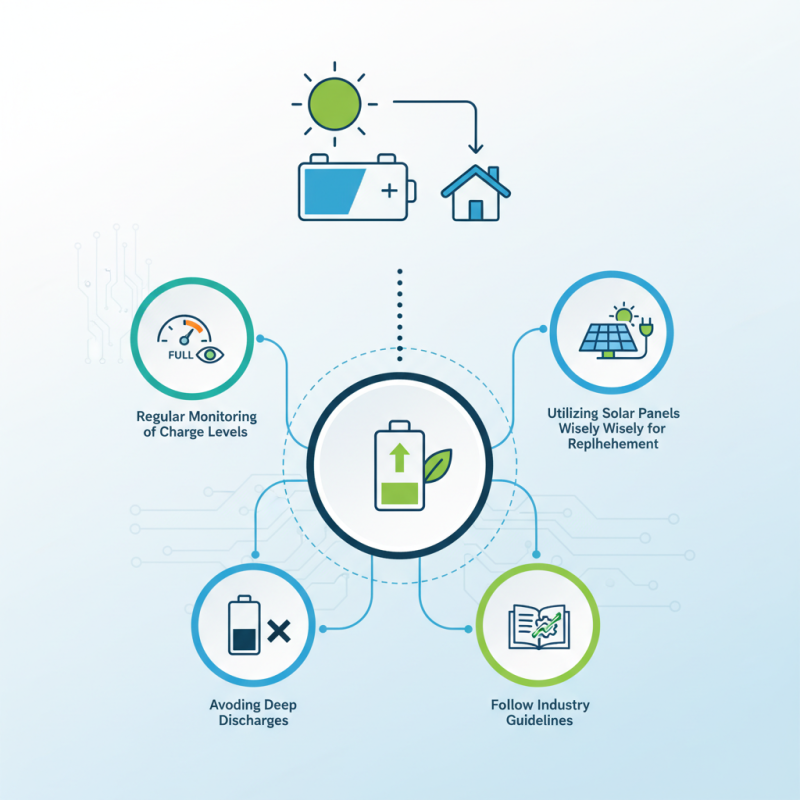
Attention to detail can make a difference. Regular monitoring of charge levels is essential. Additionally, utilizing solar panels wisely can replenish batteries more effectively. Small actions, like avoiding deep discharges, can lead to significant improvements in longevity. Engaging with industry guidelines can aid in navigating these challenges. As off-grid systems evolve, so must our approaches to battery management.
Understanding Off-Grid Battery Systems and Their Importance
Off-grid battery systems are increasingly vital as we transition to sustainable energy sources. These systems store energy generated from renewable sources like solar and wind. Their importance lies in providing reliable power when traditional grids are unavailable. However, maximizing battery life is crucial to maintaining energy efficiency.
Implementing simple tips can extend your system's battery life. Start by monitoring the battery's state of charge regularly. This ensures you're not overcharging or deeply discharging. Keeping batteries in a cool, dry place can reduce wear and increase their lifespan. Remember, high temperatures reduce battery efficiency significantly.
Another practice is periodic maintenance. Clean connections and terminals prevent corrosion. This small step can lead to better performance over time. Sometimes, it’s easy to overlook minor issues until they escalate. Lastly, consider adding a battery management system. Automated controls protect batteries from excessive use, which is often a point of failure.
Maximizing Battery Life in Off Grid Systems
Key Factors Affecting Battery Life in Off-Grid Applications
Battery life in off-grid systems is influenced by several key factors. One primary factor is temperature. Extreme heat or cold can significantly shorten battery lifespan. Studies show that every 10 degrees Celsius increase in temperature can reduce battery life by approximately 50%. This makes temperature control crucial for maintaining efficiency.
Another important factor is the depth of discharge (DoD). Regularly discharging batteries to low levels can lead to quicker degradation. Reports indicate that maintaining a DoD of 50% can double the usable life of certain types of batteries. Users often overlook this aspect, leading to premature failures.
Charge cycles also matter. The number of times a battery is charged and discharged plays a critical role in longevity. Data suggests that high-quality batteries usually endure 2,000 to 5,000 cycles, based on proper usage. Yet, many systems commonly experience more cycles than intended due to poor management. Regular monitoring and maintenance are vital for optimal performance.
How to Maximize Battery Life in Off Grid Systems? - Key Factors Affecting Battery Life in Off-Grid Applications
| Factor |
Description |
Impact on Battery Life |
Measurement Unit |
| Temperature |
Optimal operating temperatures improve efficiency and lifespan. |
High temperatures can reduce lifespan; low temperatures reduce capacity. |
°C |
| Depth of Discharge (DoD) |
The percentage of the battery capacity used before recharging. |
Lower DoD increases cycles and longevity. |
% |
| Charge Cycles |
The number of complete discharge and recharge events. |
Fewer cycles can prolong battery life. |
Cycles |
| Maintenance |
Periodic monitoring and care required for optimal performance. |
Proper maintenance can significantly extend battery life. |
N/A |
| Battery Type |
Different battery technologies have varying characteristics. |
Lithium batteries typically last longer than lead-acid. |
N/A |
Techniques for Efficient Energy Use in Off-Grid Systems
In off-grid systems, efficient energy use is crucial for maximizing battery life. Studies show that solar panels can convert about 15-20% of sunlight into usable energy. This means that every watt counts. By optimizing energy consumption, users can stretch their resources further. For instance, switching to LED lighting can reduce energy usage by 75%. These small changes add up significantly.
Energy audits play a vital role in identifying consumption patterns. Without proper analysis, many systems overspend energy on unnecessary appliances. Users should consider installing energy-efficient appliances. This can lead to a reduction in overall energy needs, making battery life longer. It’s essential to keep track of energy production and consumption. A deviation can indicate a problem in the system.
Battery maintenance is also key. Regular checks ensure that batteries operate at optimal efficiency. A report by the Institute of Electrical and Electronics Engineers highlighted that poorly maintained batteries can lose up to 30% of their capacity. Users may overlook this aspect, leading to early battery life failure. Effective strategies must balance energy production and consumption to prolong battery viability.
Best Practices for Battery Maintenance and Care
Maintaining battery health in off-grid systems is crucial for their longevity. Regularly check battery water levels if using flooded lead-acid batteries. Keeping these levels optimal can increase lifespan by up to 20%. The ideal water level is often just above the plates. However, too much water can lead to overflow during charging. It's essential to strike that balance.
Temperature can greatly affect battery performance. Batteries are most efficient between 20°C to 25°C. High heat can decrease capacity significantly. An increase of just 10°C can reduce lithium-ion battery life by about 50%. Likewise, cold temperatures can cause batteries to underperform. Insulating your batteries may help maintain optimal temperatures.
Another key aspect is charging practices. Slow charging batteries can extend their life. Fast charging might seem efficient, but it often leads to increased wear. A consistent 10% charge rate is recommended for longevity. Yet, many users overlook this detail, prioritizing speed over care. Monitoring your battery's state regularly can help identify issues early. This proactive approach may prevent larger problems down the line.
Monitoring and Managing Battery Performance for Longevity
Monitoring battery performance is crucial for off grid systems. According to industry reports,
properly managing battery usage can extend lifespan by 30%. Regularly checking battery parameters helps prevent unexpected failures.
Overcharging and deep discharging are common pitfalls. These can significantly reduce battery capacity over time.
Keep track of state of charge (SOC) and depth of discharge (DOD). Aim for a SOC between 20%
and 80%. Avoid letting batteries go below 20%. This can lead to
decreased efficiency. Implementing a battery management system
can provide real-time data to optimize performance.
Tips: Monitor temperature regularly. Extreme temperatures can harm batteries. Ideally, keep batteries in a cool, dry place.
Also, consider routine maintenance checks. Simple tasks, like cleaning terminals, can enhance battery life significantly. Logging performance data can also
reveal trends. Reflecting on this data allows for better decision-making in energy management.
FAQS
: Off-grid battery systems store energy from renewable sources like solar and wind. They provide power without traditional grids.
Proper maintenance prolongs battery life. It helps ensure the system operates efficiently and prevents unexpected failures.
Regularly check the state of charge (SOC). Aim for a SOC between 20% and 80% to maintain efficiency.
Batteries perform best between 20°C and 25°C. High or low temperatures can damage battery efficiency and lifespan.
Slow charging is better for longevity. Regular maintenance and cleaning connections also help prevent deterioration.
Overcharging and deep discharging are frequent mistakes. These can reduce battery capacity and efficiency significantly over time.
For flooded lead-acid batteries, optimal water levels increase lifespan. Too much water may cause overflow during charging.
A battery management system helps optimize performance and protects against excessive use. It provides real-time performance data.
Routine maintenance should be regular. Cleaning terminals and checking water levels can significantly extend battery life.
Extreme temperatures can harm batteries. Regular monitoring prevents damage and maintains optimal performance levels.
Conclusion
In exploring "How to extend battery life in off-grid setups," it is crucial to understand the fundamentals of off-grid battery systems and their significance in providing reliable energy sources. Various factors affect battery longevity, including temperature, charging cycles, and energy consumption patterns. By implementing efficient energy use techniques, such as optimizing load management and utilizing energy-efficient appliances, users can significantly enhance battery performance.
Additionally, adhering to best practices for battery maintenance and care—like regular cleaning, ensuring proper ventilation, and avoiding deep discharges—plays a vital role in maximizing battery life. Monitoring battery performance through effective management strategies further ensures longevity, allowing off-grid systems to operate more efficiently and sustainably.

 Eco Sun Power