Portable power stations are becoming increasingly popular for a variety of uses. They offer a reliable source of energy for camping, outdoor events, and even home backup. However, understanding how to safely use portable power stations is crucial. Misuse can lead to accidents or damage to your devices.
When you use these power stations, always follow the manufacturer's guidelines. Each model has specific instructions regarding capacity and load limits. It's important to be aware of your power needs and choose a suitable device. Also, ensure proper ventilation when charging. Overheating can pose significant risks.
Additionally, consider the location of your power station. Avoid placing it on uneven surfaces or near flammable materials. Regular maintenance can enhance safety and extend the lifespan of your equipment. If you notice any unusual sounds or smells, stop using it immediately. Reflecting on the potential hazards can lead to a safer experience.
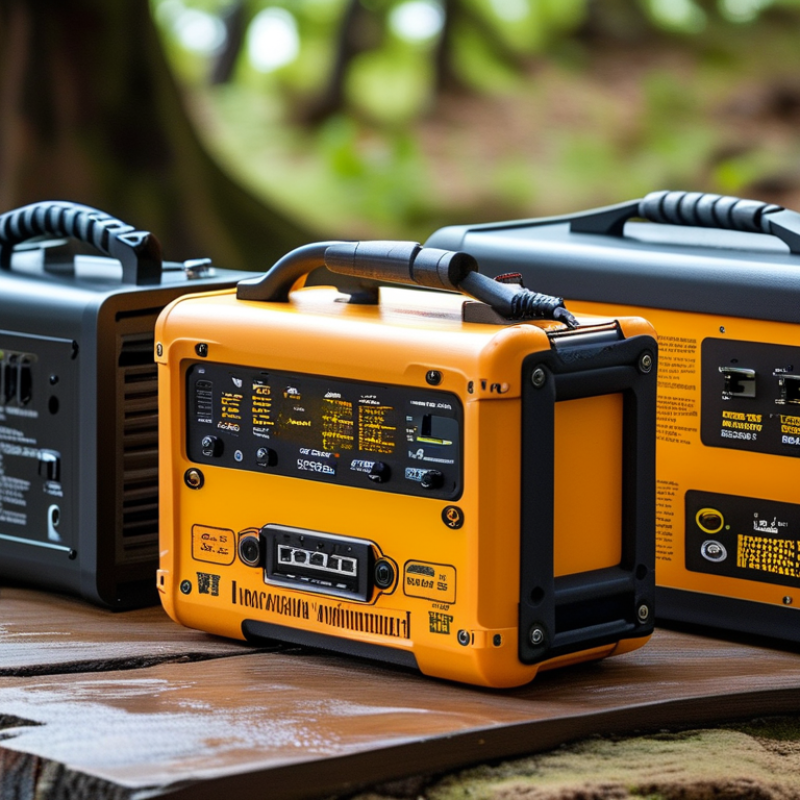
Understanding Portable Power Stations and Their Benefits
Portable power stations have become essential for many people. They provide convenient electricity anywhere, whether for camping trips, outdoor events, or emergency situations. Understanding how these devices work and their benefits can enhance your experience.
One significant advantage of portable power stations is their versatility. They can power various devices, from smartphones to small appliances. This adaptability makes them valuable for different scenarios. Ensure you understand the capacity of your power station. Overloading it can lead to damage or inefficiency.
When using a portable power station, consider energy management. Always prioritize which devices need power first. This way, you prevent any critical equipment from losing power unexpectedly. Also, remember to check battery levels frequently. Running on low can compromise your needs.
Lastly, learn about safety features. Many portable power stations come with built-in protections against overcharging or overheating. Ignoring these features can lead to risks. Choose a model that matches your expected load and purpose. This choice will help minimize complications during use.
Key Features to Consider When Choosing a Portable Power Station
When selecting a portable power station, key features greatly influence its effectiveness. Battery capacity is essential. A higher capacity means longer runtime for your devices. Look for a station with at least 500Wh if you plan on powering multiple items simultaneously. Charging ports also vary significantly. Ensure the station has a mix of AC, USB, and DC outputs to accommodate various devices. A well-rounded selection allows more versatility during outdoor activities or emergencies.
Weight and size matter, too. A compact and lightweight model is easier to transport, yet robust enough to meet your power needs. Consider how often you’ll move it. Finally, pay attention to the charging methods. Some units charge via solar panels, while others use wall outlets. Solar charging is excellent for extended trips. However, it is not effective in rainy weather.
Always read user reviews before purchasing. Real-life experiences highlight both advantages and disadvantages. Such insights can unveil potential flaws in design or functionality. Making an informed decision ensures that your power station meets your needs reliably. It’s worth reflecting on your requirements and preferences before choosing a unit.
Safety Precautions for Using Portable Power Stations Effectively
Portable power stations are useful for various power needs. However, safety should always come first when using these devices. According to a report by the National Fire Protection Association, about 2,600 home fires are caused each year due to malfunctions in power supplies. It's crucial to familiarize yourself with the recommended guidelines for safe usage.
Before use, check the power station for visible damage. Avoid overloading circuits, which can lead to overheating. The battery's capacity must match the devices you intend to charge. Typically, portable power stations have built-in safeguards, but these can fail if misused. Interestingly, recent research from the International Energy Agency highlights that improper handling of lithium batteries can result in thermal runaway, creating dangerous circumstances.
Additionally, ensure proper ventilation during charging. Charging in confined spaces can increase heat and risk. Reading user manuals allows for a better understanding of the device's limitations. Even experienced users should remain vigilant. Remember, poor maintenance can lead to failures that compromise safety. A user should always consider these factors to promote a safer experience when using portable power stations.
Best Practices for Charging and Maintaining Power Stations
When using portable power stations, proper charging and maintenance are crucial. These units rely on lithium-ion batteries, which require specific care to enhance longevity. According to data from the National Renewable Energy Laboratory, improper charging can decrease battery life by 30%. To avoid this, always use recommended charging methods. Monitor charging times and unplug the unit once fully charged to prevent overcharging.
Regular maintenance also plays a vital role in efficiency. Keeping the power station clean and dry is essential. Dust and moisture can compromise the electrical components. The Battery University suggests checking connections and terminals periodically to ensure they are free from corrosion and securely attached. Additionally, consider the environment. Extreme temperatures can affect performance. Try to store power stations in a temperature-controlled location.
Using power stations can be rewarding, but challenges exist. Users may experience reduced capacity over time. Understanding these aspects can help mitigate issues. Always consult user manuals for specifications and best practices. Staying informed and diligent can lead to a more reliable power source whenever needed.
Power Station Efficiency Comparison
Common Applications for Portable Power Stations in Daily Life
Portable power stations are becoming essential in daily life. They provide energy for various needs, from camping to emergency backup. Imagine you are outdoors, surrounded by nature. A portable power station keeps your devices charged without relying on traditional sources.
These power stations are perfect for picnics or tailgating. You can brew coffee or play music without concerns. While they offer convenience, safety is vital. Overloading a unit can lead to malfunctions. It’s crucial to check the wattage requirements of your devices. Using a power station within its limits ensures a reliable experience.
Homeowners find portable power stations handy during outages. They run lights or small appliances until power returns. However, some users underestimate the duration they can provide energy. It's wise to plan ahead and consider usage times. Reflecting on these details enhances efficiency and safety in your daily activities.
How to Safely Use Portable Power Stations for Efficient Power Needs?
| Application |
Power Requirements (Watts) |
Duration (Hours) |
Recommended Capacity (Wh) |
| Camping Equipment |
100-300 |
3-10 |
300-1000 |
| Mobile Devices Charging |
5-30 |
30-100 |
100-200 |
| Powering Small Appliances |
300-600 |
2-6 |
600-2000 |
| Emergency Backup |
500-1500 |
1-8 |
1500-5000 |
| Power Tools |
1000-3000 |
1-3 |
3000-10000 |
Conclusion
Portable power stations have become essential tools for those seeking efficient and flexible power solutions in various situations. Understanding the benefits they offer, including versatility and convenience, is crucial when considering how to safely use portable power stations. Key features such as battery capacity, output options, and portability should be prioritized when selecting the right unit for your needs.
To ensure safe operation, it's important to follow specific safety precautions, such as avoiding overloading the device and maintaining proper ventilation during use. Best practices for charging and maintaining your power station can significantly extend its lifespan and efficiency. Furthermore, these power stations find common applications in everyday life, from camping and outdoor activities to emergency backup power. By adhering to these guidelines, users can maximize the utility of their portable power stations while minimizing risks.

 Eco Sun Power