How to Solve the Problem of Charging Multiple Devices at Once?

Time:2026-04-29 Author:Oliver
0%

In today's fast-paced world, the need to charge multiple devices has become a common concern. Many people find themselves in situations where they ask, "Why can’t I charge multiple devices at once?" This problem often arises from insufficient power supply or incompatible charging ports. As devices become smarter and more essential, the struggle increases to find effective charging solutions.

The surge in gadget ownership creates a demand for smarter charging methods. It is not uncommon to see users attempting to charge their phones, tablets, and wearable devices simultaneously. Unfortunately, this can lead to frustrating slow charging or even device shutdowns. The root of the issue often lies in inadequate chargers or power strips that don't support multiple devices effectively.

Expert insights show that understanding power ratings and device compatibility is crucial. Charging configurations can be intricate, and some setups might lead to underperformance or device damage. Reflecting on one’s charging habits can reveal overlooked details. Assessing the types of chargers and their capacity is key. Charging multiple devices at once requires careful planning and an understanding of energy distribution. It’s essential to continuously explore reliable charging technology to meet our growing demands.
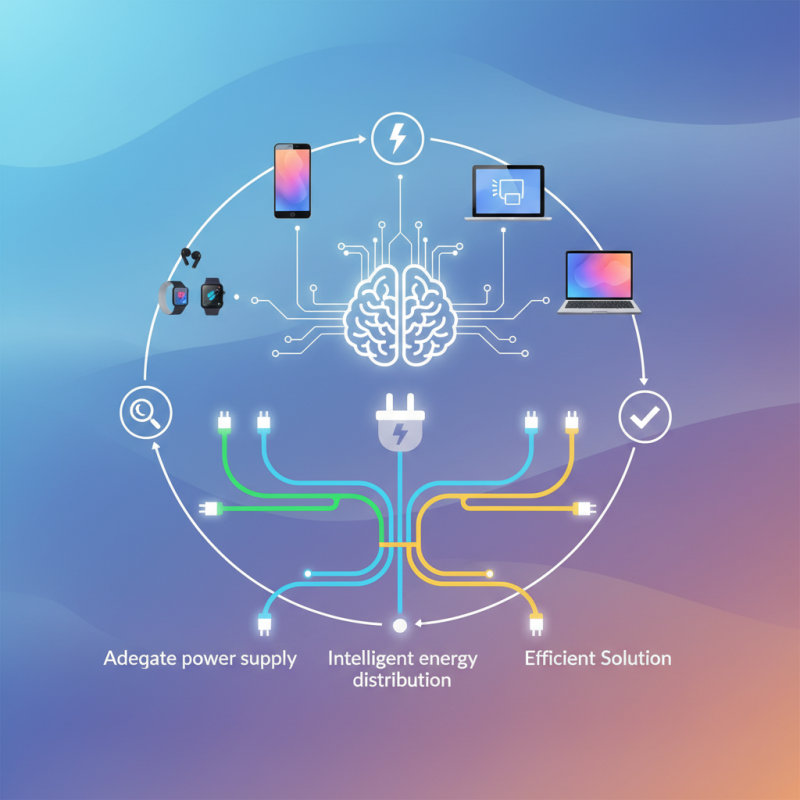
How to Solve the Problem of Charging Multiple Devices at Once?

Advancements in Multi-Device Charging Technology

The advancement in multi-device charging technology has transformed how we power our gadgets. In recent years, wireless charging pads have emerged, allowing multiple devices to charge simultaneously without the need for cumbersome cables. These pads utilize inductive charging technology, making it easy to simply place your devices on the platform. Additionally, the rise of fast charging capabilities has made it feasible to charge phones, tablets, and wearables efficiently.

USB-C hubs are also gaining popularity, providing several ports in one compact device. This setup allows users to connect and charge multiple devices at once. Many hubs now support power delivery, ensuring that all connected devices receive the necessary power efficiently. However, these technologies still face challenges. Compatibility issues arise because not all devices support universal charging standards, leading to frustration for users.

Moreover, the quest for portability remains an ongoing discussion. Many users desire to carry a single charging solution for all their devices. Unfortunately, this can lead to the classic problem of overheating, particularly when several devices are drawing power simultaneously. Striking the right balance between speed, safety, and compatibility is critical. As charging technology continues to evolve, finding a truly universal solution may still be a work in progress.

How to Solve the Problem of Charging Multiple Devices at Once? - Advancements in Multi-Device Charging Technology

Charging Technology Number of Devices Charged Charging Speed (Watt) Compatibility
USB Power Delivery 4 Devices 100W USB-C
Wireless Charging 2 Devices 15W Qi Standard
Fast Charging Station 6 Devices 60W Multi-Device
Solar Charger 4 Devices 24W Devices with USB Ports
Multi-Port USB Charger 5 Devices 30W USB-A and USB-C

Understanding Power Delivery Standards for Efficient Charging

When charging multiple devices simultaneously, understanding power delivery standards is crucial for efficiency. Power delivery (PD) enables fast charging by adjusting voltage and current dynamically. This flexibility helps in meeting the varied needs of different devices. For instance, a smartphone typically needs 5V at 2A, while a laptop may require 20V at 3A. Knowing these requirements helps in selecting the right charger.

Many users overlook the importance of cable quality in achieving optimal power delivery. Not all cables support high-speed charging, even if they are labeled for it. Keeping this in mind can save time and frustration. Regularly checking for wear and tear on cables can also ensure safety and efficiency during charging.

Moreover, users should consider the total wattage of their charger. A lower wattage charger may not effectively power multiple devices, leading to slower charging times. This can force owners to wait longer. Balancing device requirements against available charging options introduces a need for mindful usage. Finding the right equipment can greatly enhance user experience, but one must always be aware of compatibility issues.

Evaluating the Benefits of Multi-Port Chargers vs. Traditional Chargers

Evaluating the benefits of multi-port chargers versus traditional chargers reveals a significant shift in the way we power our devices. Traditional chargers often limit users to charging one device at a time. This can be quite inconvenient, especially as we juggle multiple gadgets. Multi-port chargers, however, allow you to power several devices simultaneously, maximizing efficiency.

When choosing a charging solution, consider the power requirements of your devices. Multi-port chargers are designed with varying output levels. Some devices may charge slowly due to lower output. This can lead to frustration. Always check compatibility before purchasing. Not all multi-port chargers are ideal for every gadget.

Tips for optimizing your charging experience:
1. Invest in a quality multi-port charger that recognizes the device it’s charging. This prevents damage and ensures faster charging.
2. Avoid overloading the charger. Each port has specific limits, which, if exceeded, might lead to overheating.
3. Regularly inspect your cables and chargers. Worn-out chargers can cause inefficiencies and may risk safety.

Reflect on your charging habits and needs. Are you relying on a single charger too often? It's worth reconsidering how you charge your devices.

The Role of Wireless Charging in Simplifying Device Management

Wireless charging presents a game-changing solution for managing multiple devices. It simplifies the clutter of cables and adapters that traditionally accompany device ownership. Imagine a single charging pad where phones, earbuds, and smartwatches can all rest peacefully. With advancements in technology, this method is not just convenient; it enhances your workspace, making it less chaotic.

However, the adoption of wireless charging is not without its challenges. Compatibility issues can arise, preventing certain devices from charging on specific pads. Additionally, charging speeds may vary, leaving some users frustrated. It's essential to assess what works best for your devices. Not every setup suits all gadgets, and finding the right balance can require effort and foresight.

Moreover, while wireless charging offers freedom from cables, it is vital to monitor energy efficiency. Some may plug in multiple devices, increasing energy use compared to traditional methods. Users should weigh the convenience against ecological impact. This reflective approach can lead to more responsible usage patterns. Transitioning to wireless charging isn't just a trend; it's a step toward more mindful tech management.

How to Solve the Problem of Charging Multiple Devices at Once?

Future Trends: Solar-Powered Chargers for Multiple Devices

In the quest for efficient charging solutions, solar-powered chargers are emerging as a practical option. They harness the sun’s energy, offering an eco-friendly way to power your devices. These solar chargers are designed for multiple devices, making them versatile for today's tech-savvy users.

When choosing a solar-powered charger, consider its wattage. Higher wattage means faster charging times for multiple devices. Look for models that feature USB outputs. This allows you to charge phones, tablets, and even laptops simultaneously. Durability is also key; chargers need to withstand outdoor conditions.

Tips: Ensure sunlight exposure to maximize efficiency. Place your charger in an open area, away from obstructions. Regular maintenance enhances performance, so clean the solar panels to remove dust.

While solar-powered chargers are promising, there are limitations. Cloudy weather and shorter daylight hours can hinder performance. A fully charged solar unit may not always be sufficient for heavy use. Balancing solar energy with traditional power options might be necessary. Adaptability is crucial as technology continues to evolve toward sustainable solutions.

FAQS

: What is multi-device charging technology?

: Multi-device charging technology allows several gadgets to charge at once, often using wireless charging pads.

How do wireless charging pads work?

They utilize inductive charging technology, letting users place devices on a pad for easy charging.

What is power delivery (PD) in charging?

Power delivery adjusts voltage and current for fast charging, meeting the different needs of devices.

Why is cable quality important?

Not all cables support high-speed charging. Quality cables ensure optimal power delivery and efficiency.

What are common challenges with multi-device chargers?

Compatibility issues often arise because not all devices support universal charging standards.

How can users avoid overheating when charging multiple devices?

Users should balance the number of devices being charged to prevent overheating during simultaneous charging.

What should users consider about charger wattage?

A lower wattage charger may not power multiple devices effectively, leading to slower charging times.

Why is it essential to check cables regularly?

Checking for wear and tear ensures safety and efficient charging, preventing possible accidents.

What is a USB-C hub?

A USB-C hub offers multiple ports in one device, allowing connections and charging for several devices simultaneously.

Is a truly universal charging solution achievable?

Finding a universal charging solution is still a work in progress within the evolving charging technology landscape.

Conclusion

As the number of devices requiring charging increases, many users find themselves asking, "Why can’t I charge multiple devices at once?" This article explores the advancements in multi-device charging technology, including the understanding of power delivery standards that ensure efficient charging. By comparing multi-port chargers with traditional models, we evaluate the advantages of having multiple charging options conveniently available.

Furthermore, the article discusses the role of wireless charging in simplifying device management, making it easier to maintain power across various gadgets without the clutter of cords. Looking ahead, we also examine future trends such as solar-powered chargers, which promise to enhance the capability to charge multiple devices sustainably, catering to the growing need for innovative charging solutions in our tech-driven lives.

Oliver

Oliver

Oliver is a seasoned marketing professional with a wealth of expertise in driving brand awareness and engagement. With a deep understanding of our company's product offerings, he consistently delivers high-quality content that enriches our professional blog. His insights not only shed light on......