Top 10 Tips for Choosing Energy Solutions for Outdoor Events?

Time:2026-07-14 Author:Isabella
0%

Choosing the right energy solutions for outdoor events can be challenging. Events like music festivals, sports competitions, or community gatherings require specific energy needs. Understanding how to choose energy solutions for outdoor events is crucial for success.

Consider the size and scope of your event. Will you need extensive power for lighting and sound? Or just minimal energy for vendor booths? These questions dictate your energy strategy. Reliability is key; you don't want power outages disrupting the fun. Explore options like solar, generators, or battery banks. Each has unique benefits and limitations.

Sustainability is also a critical consideration. Many attendees appreciate eco-friendly solutions. But do you have the expertise to implement them effectively? Using emerging technologies may offer innovative possibilities, yet they come with a learning curve. Reflect on your available resources and expertise. Prioritize solutions that fit your event's goals while being reliable and efficient.
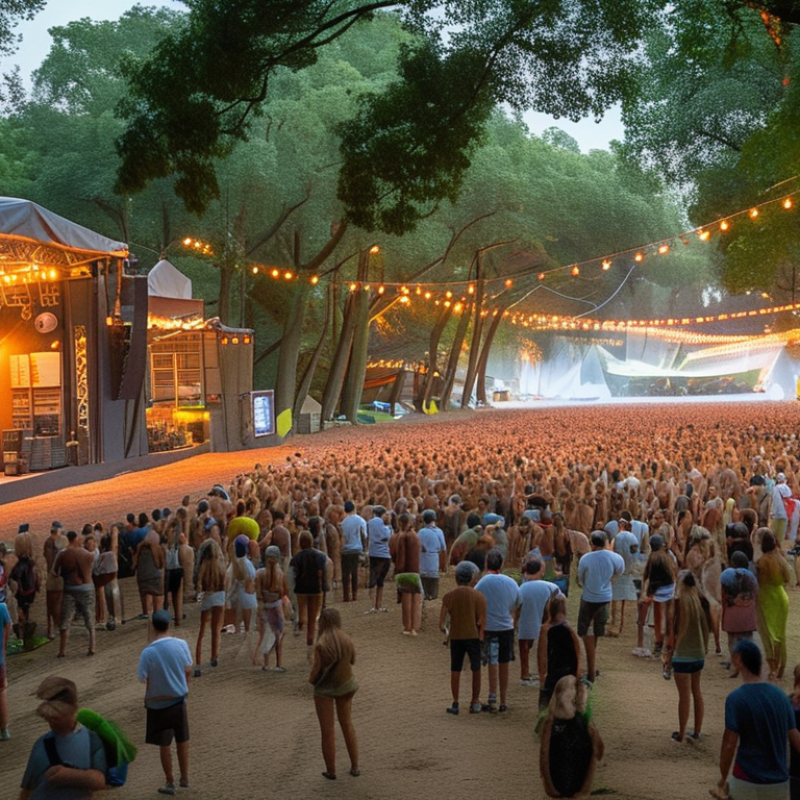
Top 10 Tips for Choosing Energy Solutions for Outdoor Events?

Understanding the Energy Needs of Your Outdoor Event

Understanding the energy needs of your outdoor event is critical for its success. A report from the U.S. Energy Information Administration suggests that outdoor events can consume significant electricity. Knowing how much energy you need helps avoid disruptions.

Evaluate your event size. For small gatherings, solar generators might suffice. Larger events may require traditional generators. It’s essential to match energy sources to your needs. Remember, overestimating can lead to unnecessary costs, while underestimating can cause delays.

Consider your equipment's power requirements. Lighting and sound systems are often the largest energy consumers. According to industry reports, lighting can account for up to 30% of your total power needs. Assessing this can help you choose sustainable options, reducing your carbon footprint.

When planning, think about fuel type. Diesel generators are powerful but can be noisy and polluting. If you're focused on the environment, look for cleaner alternatives. Batteries and solar setups are quieter and generate less waste. Each choice impacts the overall experience. Balancing energy needs with sustainability is essential for a memorable event.

Evaluating Different Types of Energy Solutions Available

When planning outdoor events, choosing the right energy solution is crucial. Different energy options include traditional generators, solar power, and biofuel systems. Each has unique advantages and challenges. For example, a recent industry report indicates that solar energy usage at events increased by 25% in the last five years, showcasing its growing popularity.

Traditional generators provide reliability but often come with noise and pollution concerns. According to the Environmental Protection Agency, portable generators emit about 200 grams of CO2 per hour. This may lead to potential environmental harm, yet they still serve as a go-to for many planners. On the other hand, biofuels present a cleaner alternative. They reduce greenhouse gas emissions by up to 80%, yet sourcing quality biofuels can be a challenge.

It is essential to evaluate each energy solution against event needs. Factors like location, duration, and audience engagement play critical roles. What works for a small gathering may not suffice for a large festival. It’s advisable to consult with energy experts, as they can provide tailored insights. Having multiple perspectives can help avoid pitfalls and ensure sustainability while meeting event demands.

Top 10 Tips for Choosing Energy Solutions for Outdoor Events

Energy Solution Type Advantages Disadvantages Ideal Usage
Solar Generators Renewable, quiet operation, low maintenance Dependent on sunlight, lower power output Daytime events, eco-friendly events
Battery Packs Portable, easy to use, no emissions Limited capacity, need recharging Short events, low-power applications
Diesel Generators High power output, widely available Noisy, emissions, fuel costs Large scale events, remote locations
Natural Gas Generators Cleaner than diesel, reliable Availability issues, requires infrastructure Long duration events, festivals
Wind Turbines Renewable, low operational costs Weather dependent, needs space Multi-day events in windy locations
Hydrogen Fuel Cells Zero emissions, quiet operation High cost, technology limitations Innovation-focused events
Propane Generators Cleaner than diesel, portable Limited power output, fuel dependency Small to medium events
Biofuel Generators Renewable, lower carbon footprint Availability, production costs Green-focused events
Grid Power Reliable, easy access Costs, potential outages Events near existing infrastructure
Energy Storage Solutions On-demand energy, efficient use Initial costs, technology dependency Events with fluctuating power needs

Assessing the Environmental Impact of Energy Options

When selecting energy solutions for outdoor events, it’s crucial to consider their environmental impact. Renewable energy options, like solar and wind, have gained popularity. According to the International Renewable Energy Agency, renewables can reduce greenhouse gas emissions by up to 70% compared to fossil fuels. Choosing these options aligns with sustainability goals while minimizing environmental damage.

Yet, not all energy solutions are created equal. For example, biofuels may seem green, but their production can lead to deforestation and habitat loss. A 2021 report by the Food and Agriculture Organization highlighted that land-use changes for biofuel crops can threaten biodiversity. It’s essential to evaluate the full lifecycle of energy sources, from production to transportation.

Many event planners overlook the importance of energy sourcing. Local regulations often dictate energy use, yet they vary widely. Understanding regional guidelines ensures compliance and supports better environmental choices. While renewable options may require higher initial investments, they often offer long-term savings and lower ecological footprints. Balancing cost, efficiency, and sustainability remains a significant challenge for event organizers. Taking the time to assess these factors can lead to a more responsible approach to outdoor events.

Budgeting for Energy Solutions: Costs and Savings

Choosing the right energy solutions for outdoor events requires careful budgeting. You need to evaluate potential costs against the expected benefits. Start by identifying the types of energy sources available. Solar power, generators, and battery storage options are popular. Each carries different costs, which can impact your overall budget.

Be aware that initial costs can be deceiving. While a generator may have a low upfront price, fuel costs can add up quickly. This could lead to a higher long-term expense. Similarly, investing in solar panels may seem expensive initially, yet they provide savings over time. It's vital to conduct a cost-benefit analysis tailored to your specific event needs.

Not all solutions fit all occasions. Some outdoor events may not require high power outputs, while others might. Flexibility in energy sourcing can lead to savings. Always anticipate potential extra expenses. Having a contingency budget is wise; unexpected issues can arise. Evaluate every detail to ensure you're making informed decisions.

Planning for Reliability and Backup Energy Sources

When organizing outdoor events, planning for reliability and backup energy sources is crucial. Power outages can disrupt schedules and diminish the overall experience for attendees. It’s essential to assess the energy needs of your event beforehand. Consider the equipment you will use, such as sound systems, lighting, and food stations. Each of these elements requires a steady power supply.

Backup energy sources are vital. Generators can provide peace of mind. Ensure you have the right fuel and know how to operate the equipment safely. However, it’s important to test everything before the event. Unforeseen problems often arise. Have a contingency plan in place if primary sources fail. Local amenities may not provide enough support.

Additionally, think about sustainability. Solar panels can be a reliable alternative, especially on sunny days. However, they may not always provide enough power, depending on the event’s scale. Assess the weather forecast leading up to your event to make informed decisions. Using energy-efficient equipment can also minimize risk, but it’s not without drawbacks. Balancing reliability and sustainability is challenging but necessary for a successful outdoor event.

FAQS

: Why is understanding energy needs important for outdoor events?

: It helps avoid disruptions and ensures the event runs smoothly.

How can I determine the energy requirements for my event?

Evaluate the size of your event and the power needs of your equipment.

What are suitable energy sources for small gatherings?

Solar generators may suffice for smaller events.

What should I consider for larger events?

Traditional generators are often needed to meet higher energy demands.

How can I choose sustainable energy options?

Assess your equipment's requirements and consider solar or battery solutions.

What challenges do traditional generators present?

They can be noisy and produce harmful emissions, impacting the environment.

What is a cleaner alternative to traditional generators?

Biofuels can reduce emissions significantly, but sourcing them can be difficult.

Why is having backup energy sources important?

They provide reliability in case of power outages, ensuring the event continues smoothly.

How can weather affect my energy planning?

Poor weather can impact solar panel effectiveness, so check forecasts beforehand.

What can minimize risks associated with equipment failures?

Using energy-efficient equipment and having a contingency plan can help.

Conclusion

When considering how to choose energy solutions for outdoor events, it's essential to start by understanding the specific energy needs of your event, which can vary based on the scale and type of activities planned. Next, evaluate the different types of energy solutions available, such as generators, solar power, or battery storage, keeping in mind their respective advantages and limitations.

Additionally, assessing the environmental impact of your chosen energy options is crucial for promoting sustainability. Budgeting for energy solutions is another key aspect, as it involves considering both initial costs and potential savings. Lastly, it's important to plan for reliability and explore backup energy sources to ensure a seamless experience during your outdoor event. By taking these factors into account, you can effectively choose the best energy solutions tailored to your unique needs.

Isabella

Isabella

Isabella is a dedicated marketing professional with a sharp focus on driving brand growth and engagement through strategic content creation. With an extensive background in digital marketing, she combines her passion for storytelling with her keen understanding of industry trends to deliver......