Top 10 Off-Grid Energy Array Solutions for Sustainable Living?

Time:2026-03-09 Author:Henry
0%

Living sustainably is more important than ever. Many people are looking for ways to reduce their carbon footprint. One effective method is using an Off-Grid Energy Array. This solution allows individuals to generate their own power, minimizing reliance on traditional energy sources. However, it's crucial to choose the right system for your needs.

Off-Grid Energy Arrays can vary significantly. Some may include solar panels, wind turbines, or even hydro setups. While they offer great benefits, they also present challenges. Factors like climate, location, and budget play a crucial role. Each system has its strengths and weaknesses. Not every solution fits all lifestyles.

As you explore off-grid solutions, reflect on your choices. Are you prepared for maintenance? Can you adapt to energy fluctuations? Understanding these aspects is vital for successful sustainable living. Embracing an Off-Grid Energy Array is a rewarding journey, full of learning and exploration.
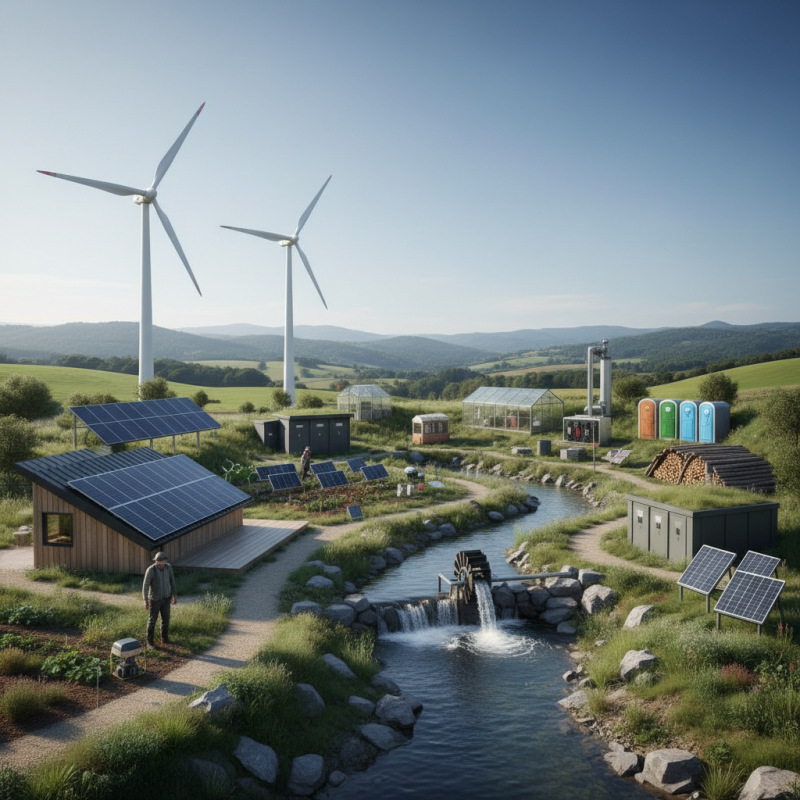
Top 10 Off-Grid Energy Array Solutions for Sustainable Living?

Understanding Off-Grid Energy Arrays for Sustainable Living

Understanding off-grid energy arrays is essential for sustainable living. These systems, which harness renewable energy, provide independence from traditional power sources. Solar panels, wind turbines, and micro-hydro setups are popular. Each has its advantages and disadvantages.

One tip for choosing an off-grid system is to assess your energy needs. Calculate daily consumption to determine the size of the array. Not everyone needs the same setup. You may find that a small solar panel covers most of your needs. However, consider seasonal variations in sunlight or wind energy.

Another consideration is the installation location. The orientation of solar panels matters. Ensure they receive maximum sunlight throughout the day. Trees or buildings nearby can cast shadows, reducing energy production. Regularly evaluate the arrangement to make necessary adjustments.

Reflect on your local environment. Weather conditions play a significant role. High winds might damage fragile components, while heavy snow can block solar panels. Plan for maintenance and prepare for unexpected challenges. You might need to invest time and effort to keep your system running efficiently.

Key Benefits of Off-Grid Energy Solutions

Off-grid energy solutions offer numerous advantages for sustainable living. First, they promote energy independence. Individuals can rely on renewable resources like solar and wind. This reduces dependence on traditional energy suppliers. For many, it feels liberating to generate their own power. There’s a sense of control and security.

Using off-grid systems can lower energy bills significantly. For example, solar panels can be an upfront investment, but their long-term savings are remarkable. Production and consumption of energy happen on-site. However, maintenance can be challenging. Battery systems often need upgrades. Seasonal changes may affect energy production as well.

Living off-grid encourages a minimalist lifestyle. Many people report feeling more connected to nature. They learn to appreciate what they have. However, It's not all smooth sailing. Adjusting to less energy can require creativity. Balancing energy needs with production can be tricky. Yet, the journey toward sustainability can be rewarding and transformative.

Top Technologies for Off-Grid Solar Energy Systems

Off-grid solar energy systems offer great potential for sustainable living. They empower individuals to generate power independently. A key technology is the use of high-efficiency photovoltaic panels. These convert sunlight directly into electricity. Choosing the right type of panel can enhance energy output dramatically. Thin-film and crystalline silicon panels each have unique benefits worth exploring.

Battery storage is another crucial component. It allows for energy use when sunlight isn't available. Lithium-ion batteries are popular due to their efficiency and lifespan. However, they can be expensive. Consider alternative battery options, such as lead-acid or saltwater batteries. Each type has its own set of trade-offs.

Inverters are needed to convert DC power to AC power for household appliances. Selecting a reliable inverter can be challenging. Some users have reported difficulties with system compatibility. Additionally, monitoring systems help track energy usage, but they might complicate setup. Balancing these technologies can determine the overall system's effectiveness. Explore every option to find a reliable solution that meets your needs.

Wind Energy Options for Off-Grid Living

Wind energy offers a viable solution for off-grid living. It harnesses nature's freely available resource: wind. According to the U.S. Department of Energy, wind can produce energy at around 50% capacity on average. This data highlights the potential for reliable energy generation in suitable locations.

Installing a wind turbine can be complex. Factors such as wind speed and site accessibility must be thoroughly evaluated. A site with consistent wind above 12 miles per hour is ideal. Turbines require maintenance, which is often overlooked. Neglecting this can reduce efficiency significantly.

Moreover, integrating wind energy with other systems can enhance sustainability. For instance, combining wind with solar can balance output variability. Yet, many still face challenges in achieving optimal setups. Proper research and planning are critical. The initial investment remains a barrier for some. Despite these challenges, wind energy remains a powerful option for off-grid living.

Top 10 Off-Grid Energy Array Solutions for Sustainable Living

Essential Considerations for Installing Off-Grid Energy Arrays

When considering off-grid energy arrays, there are key aspects to keep in mind. Understand your energy needs first. Assess how much power you truly consume daily. Make a list of all appliances you use. This will guide your system's capacity requirements.


Another crucial consideration is location. Sunlight exposure matters. If your area has many cloudy days, you may need more solar panels. Check if trees or buildings cast shadows on your potential installation site. Regular maintenance is also essential. Dirty panels can reduce efficiency. Make a schedule to clean them regularly.


Tips: Always check local regulations. Some areas have strict rules for off-grid systems. Research zoning laws to avoid issues. Think about storage solutions as well. Batteries can store excess energy for cloudy days. Choose the right type to match your needs.

FAQS

: What is wind energy's role in off-grid living?

: Wind energy is a viable source for off-grid living, harnessing the natural resource of wind.

What average capacity can wind energy produce?

Wind energy can generate power at around 50% capacity on average in suitable locations.

What factors should be evaluated before installing a wind turbine?

Evaluate wind speed and site accessibility. Consistent wind above 12 miles per hour is ideal.

How important is maintenance for wind turbines?

Maintenance is crucial. Neglecting it can significantly reduce the turbine's efficiency over time.

Can wind energy be combined with other systems?

Yes, combining wind with solar energy can balance output variability and enhance overall sustainability.

What should I assess for off-grid energy needs?

Assess daily power consumption and list all appliances to guide system capacity requirements.

Why is location significant for solar panels?

Sunlight exposure affects efficiency. Trees or buildings should not block sunlight at the installation site.

What ongoing task is necessary for solar panel efficiency?

Regular maintenance is key. Dirty panels can drastically reduce energy efficiency.

What should I know about local regulations for off-grid systems?

Local regulations can be strict. Research zoning laws to avoid potential issues during installation.

How can I store excess energy for cloudy days?

Use batteries for energy storage. Choose the right type based on your energy needs and usage patterns.

Conclusion

The article "Top 10 Off-Grid Energy Array Solutions for Sustainable Living" explores the essential components and benefits of adopting off-grid energy arrays in sustainable living practices. It begins by defining off-grid energy arrays and their role in providing independence from traditional energy sources. The key benefits highlighted include energy autonomy, reduced carbon footprint, and resilience against power outages.

Further, the article delves into the top technologies used in off-grid solar energy systems and examines the viability of wind energy options for off-grid living. It emphasizes that when considering the installation of off-grid energy arrays, one must take into account various essential factors such as location, energy needs, and system maintenance. Overall, this article serves as a comprehensive guide for individuals interested in transitioning to sustainable off-grid energy solutions.

Henry

Henry

Henry is a dedicated marketing professional with a profound expertise in the company's offerings. With years of experience in the industry, he possesses an impressive understanding of the market dynamics and consumer behaviors that drive success. Henry is committed to sharing his insights through......