Inverter systems play a crucial role in renewable energy applications, yet they come with safety concerns. What safety precautions are needed for inverter systems? According to a report by the International Electrotechnical Commission, improper handling can lead to significant hazards. In the U.S., electrical accidents cause over 1,000 fatalities annually.
Ignoring safety protocols can worsen the situation. Some installers may overlook basic protective measures. This negligence not only endangers lives but also leads to costly damages. The National Electric Code provides guidelines for safe installation, yet many do not adhere to these standards.
Understanding inverter systems fundamentally impacts safety outcomes. Regular maintenance and awareness of best practices can prevent incidents. Industry data shows a strong correlation between training and safety. Organizations that prioritize training see a 50% reduction in electric shock incidents. It's critical to be proactive. Establishing safety protocols can mitigate risks effectively.
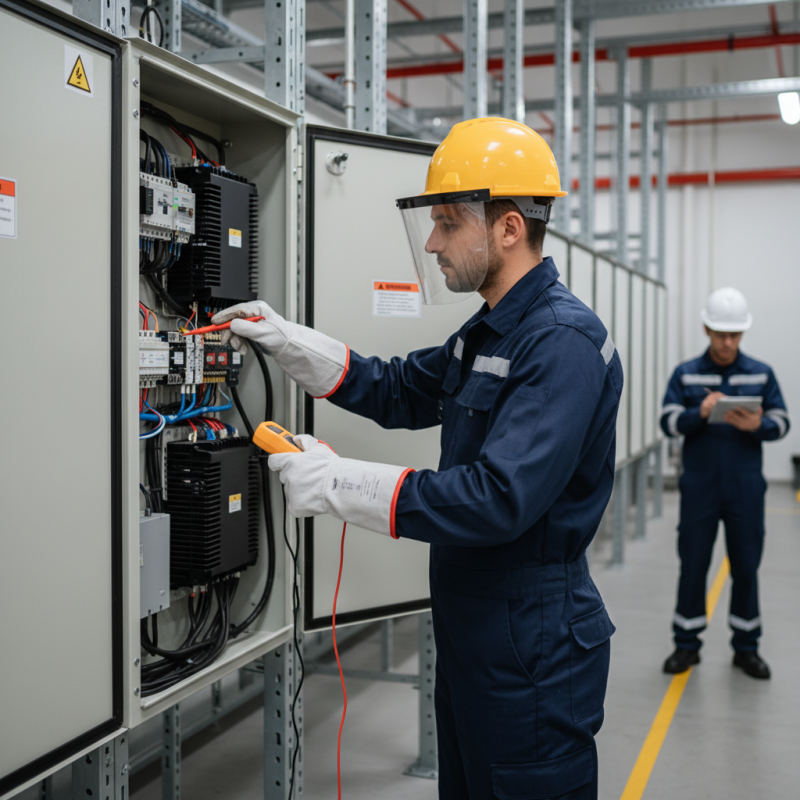
Understanding Inverter Systems: Why Safety Precautions Matter
Inverter systems play a crucial role in energy conversion, powering various devices efficiently. However, understanding the importance of safety precautions is essential. According to a report from the International Electrotechnical Commission, electrical accidents lead to around 1,000 fatalities and numerous injuries each year. Implementing safety measures can significantly reduce these risks.
Regular maintenance is one of the most effective tips for ensuring safety. Check connections and wiring often to prevent overheating. Poor connections could lead to serious failures. Additionally, educate users about potential hazards. Knowledge reduces the risks associated with improper use.
Proper installation is another key aspect. Ensure the system is installed by qualified professionals. A report from the National Fire Protection Association indicates that improper installation accounts for 30% of electrical fires. Awareness of local codes and regulations is crucial. They guide safe practices that can prevent mishaps.
Lastly, equip your inverter system with protective devices. Circuit breakers or fuses can prevent overloads that could cause fires. Not adhering to safety precautions can lead to costly damages. Prioritize safety to protect both equipment and lives.
Key Components of Inverter Systems: Identifying Potential Hazards
Inverter systems play a crucial role in converting direct current (DC) to alternating current (AC), powering numerous devices. However, potential hazards lurk in their key components. A report from the National Fire Protection Association indicates that electrical failures account for nearly 20% of home fires. Understanding these components can help mitigate risks.
Capacitors, for instance, can fail under excessive voltage, leading to explosive discharge. Such events can cause injury or fire. Proper installation practices are critical. The International Electrotechnical Commission suggests that poorly connected wires in inverter systems can create arcing, further increasing the risk of mishaps.
Inverter transformers also require attention. They can overheat, especially under heavy loads. The U.S. Department of Energy noted that transformer failures could lead to significant downtime and repair costs. Monitoring temperature and ensuring adequate ventilation are essential to maintain safety. Regular maintenance is necessary to spot issues before they escalate into serious hazards. Companies must prioritize safety protocols to address these vulnerabilities effectively.
Top 10 Safety Precautions for Inverter Systems
Essential Grounding Techniques for Preventing Electrical Shock Risks
Electrical safety is a critical aspect when dealing with inverter systems.
Grounding is one of the most effective ways to prevent electric shock risks.
According to the National Fire Protection Association (NFPA), around 30% of electrical fatalities are linked to improper grounding.
Effective grounding techniques provide a path for excess current to flow safely into the ground, reducing the chances of electric shock.
When installing inverter systems, the grounding electrode system should be inspected regularly.
Poor connections can lead to increased resistance, causing dangerous situations.
Experts recommend using copper or galvanized steel for grounding rods due to their durability and conductivity.
Moreover, grounding systems should be tested for continuity.
The Institute of Electrical and Electronics Engineers (IEEE) suggests a maximum grounding resistance of 25 ohms for safety.
This ensures that the system can effectively redirect any fault current.
It’s interesting to note that many users overlook the maintenance of their grounding systems.
A survey by the Electrical Safety Foundation International (ESFI) found that about 40% of homeowners do not check their grounding arrangements regularly.
This negligence can lead to severe hazards, including equipment failures and fire risks.
Understanding and implementing proper grounding techniques can save lives and equipment.
Therefore, it’s crucial to prioritize ground maintenance and adhere to safety precautions.
Regular Inspection and Maintenance: A Data-Driven Approach to Safety
Regular inspection and maintenance of inverter systems are crucial for safety. Data-driven approaches provide insight into the performance and reliability of these systems. By analyzing operational data, technicians can identify potential issues before they escalate into serious problems. This proactive approach not only enhances safety but also extends the lifespan of the equipment.
Routine checks should focus on key components, such as the power circuitry and cooling systems. Overheating can lead to failures, so regular temperature monitoring is essential. Ensure connections are tight and corrosion-free. Even minor signs of wear can signal larger risks. It’s easy to overlook these details, but ignoring them can have serious consequences.
Technicians must document their findings during inspections. This creates a history that helps track performance trends over time. Sometimes, data reveals troubling patterns that require immediate attention. Reflection on maintenance practices is vital. Are teams too complacent with older equipment? Continuous improvement in safety protocols is necessary. Data can guide these improvements, making inverter systems safer for everyone.
Top 10 Safety Precautions for Inverter Systems You Must Know
| Safety Precaution |
Frequency of Inspection |
Common Issues Detected |
Recommended Action |
| Check Ground Connections |
Monthly |
Corrosion, Loose Connections |
Tighten Connections, Clean Contacts |
| Inspect Cooling System |
Quarterly |
Overheating, Blockages |
Clean Dust, Ensure Proper Airflow |
| Test Circuit Breakers |
Biannual |
Faulty Breakers, Failure to Trip |
Replace Faulty Breakers |
| Check Wiring Integrity |
Annually |
Frayed Wires, Insulation Wear |
Replace Damaged Wires |
| Inspect Inverter Interface |
Monthly |
Error Messages, Display Issues |
Reboot or Reset System |
| Review Performance Logs |
Monthly |
Inconsistent Output, Unusual Patterns |
Investigate Anomalies |
| Verify Emergency Shutdown |
Semi-Annually |
Shutdown Failed, Delays in Response |
Test and Adjust Settings |
| Examine Fuses and Relays |
Annually |
Blown Fuses, Malfunctioning Relays |
Replace as Necessary |
| Schedule Professional Service |
Annually |
General Wear and Tear |
Follow Recommendations |
| Monitor Environmental Conditions |
Continuously |
Extreme Temperatures, Humidity |
Implement Climate Control Measures |
Using Protective Gear: Statistics on Injury Reduction in Inverter Operations
Inverter systems can be hazardous if proper safety measures are not followed. Using protective gear is essential to minimize injuries during operation. Statistically, workers wearing appropriate safety equipment see a clear reduction in accidents. For instance, wearing insulated gloves can decrease the risk of electric shock significantly. Helmets, goggles, and ear protection are equally vital. They protect against falling objects and loud noises.
The statistics speak volumes. Studies show that 70% of workplace injuries can be avoided with proper gear. This number is compelling. It highlights the importance of being cautious. However, many overlook the need for regular gear inspections. Equipment can wear and tear over time. A cracked helmet or damaged gloves offers little protection. Ensuring gear is in top condition is as critical as wearing it.
It's easy to underestimate safety gear. Some might feel it’s unnecessary until it’s too late. The reality is that complacency can lead to accidents. Awareness and consistent safety measures can save lives. Encouraging a culture of safety, where gear checking is a routine, is crucial. Reflecting on past incidents can drive continuous improvement in safety practices.
FAQS
: Inverter systems convert direct current (DC) to alternating current (AC) for powering devices.
Capacitors can fail under high voltage, resulting in explosive discharge, which poses injury and fire risks.
Poorly connected wires can create arcing, increasing the risk of electrical mishaps and potential fire hazards.
Overheating transformers can cause significant downtime and costly repairs, emphasizing the need for monitoring.
Grounding provides a safe path for excess current, reducing the risk of electric shock and associated fatalities.
Copper or galvanized steel is recommended due to their durability and conductivity in grounding systems.
A maximum grounding resistance of 25 ohms is advised to effectively redirect fault current.
Grounding systems should be inspected regularly, yet many users neglect this critical aspect of safety.
Wearing proper safety gear can reduce workplace injuries significantly, making it essential for safe operations.
Many people fail to conduct regular inspections of their safety gear, which can result in inadequate protection.
Conclusion
Inverter systems are essential in various applications, but understanding what safety precautions are needed for inverter systems is crucial to prevent accidents and injuries. Key components of these systems can pose significant hazards, making it vital to identify and address potential risks. Essential grounding techniques can effectively minimize electrical shock risks, while regular inspections and maintenance ensure that systems operate safely and efficiently. Moreover, utilizing protective gear has been proven to significantly reduce injury rates in inverter operations, underscoring the importance of taking proactive safety measures. By prioritizing these precautions, users can enhance safety and reliability in their inverter system operations.

 Eco Sun Power