In today's world, many outdoor enthusiasts and remote workers seek ways to stay powered without grid access. Knowing how to charge a power station without grid access is essential for sustainability. According to a report by the International Renewable Energy Agency, off-grid solutions are increasingly vital for energy independence.
Solar energy, wind power, and hydro systems are popular methods for charging power stations off-grid. A study by the U.S. Department of Energy indicates that nearly 17% of renewable energy generation comes from distributed sources. This reflects the growing trend towards self-sufficiency in energy production. However, utilizing these methods effectively requires understanding their limitations, such as weather conditions and equipment costs.
For instance, while solar panels are efficient in sunny areas, their energy production can drop significantly in cloudy conditions. Similar challenges arise with other renewable methods. Exploring how to charge a power station without grid access can lead to innovative solutions, but it often necessitates careful planning and resource management. Embracing these strategies may not always be straightforward, requiring trial and error to achieve optimal results.
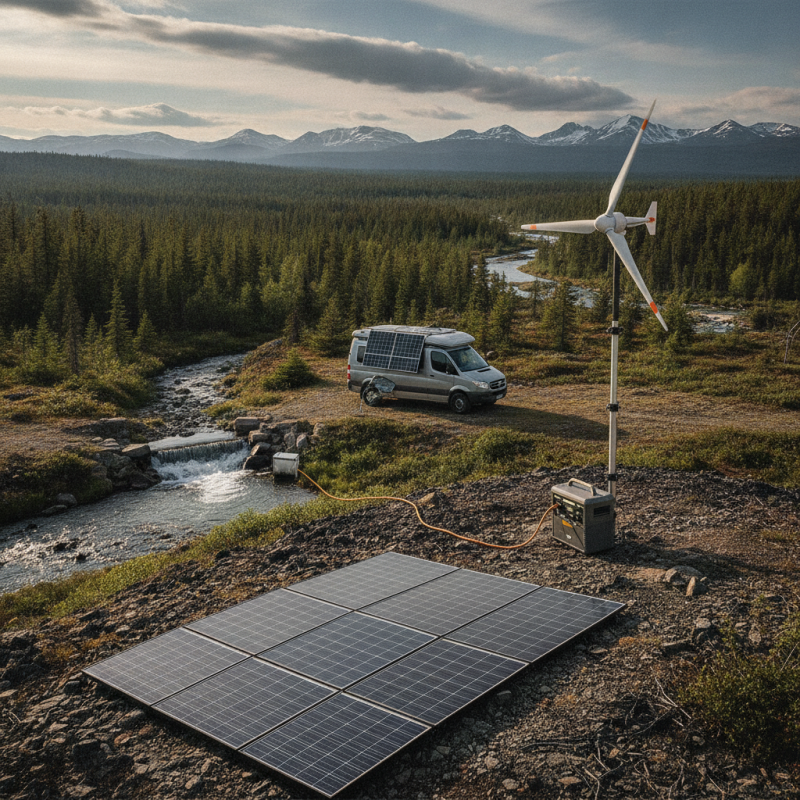
Solar panels are a popular solution for charging off-grid power stations. They harness sunlight to generate electricity, making them eco-friendly and efficient. When planning to use solar panels for your power station, consider the size and capacity of your system. A correctly sized system can provide enough energy to run essential devices without overwhelming the equipment.
Tips for effective charging: Ensure your solar panels are clean and unobstructed to maximize sunlight absorption. Regular maintenance is key. Use a charge controller to protect your battery and extend its life. It prevents overcharging and enhances efficiency. Position your panels towards the sun to optimize daily energy capture.
Not all solar chargers work for every situation. Factors like geographic location, weather patterns, and shadowing can affect performance. Be realistic about your energy needs and potential output. It helps to monitor your energy consumption regularly. This way, you won't face unexpected power shortages when you need energy the most.
Wind turbines offer a powerful solution for charging off-grid power stations. Utilizing wind energy can provide a consistent and renewable source of electricity. When winds are strong, the turbines spin, converting kinetic energy into electricity. This energy can then be stored in batteries for later use.
Setting up a wind turbine requires careful consideration of location. Ideally, the site should have minimal obstructions. Trees or buildings can block wind flow. Regular maintenance is necessary to ensure optimal performance. Wind turbines can suffer from wear and tear, impacting their efficiency. It’s essential to check the blades and mechanical components periodically.
Storage is another critical aspect. Properly designed battery systems can capture the energy generated by turbines. Properly matched inverters are also essential for converting the DC electricity to AC. Energy management is vital to maximize output, particularly during variable weather conditions. Understanding local wind patterns is key to using this renewable energy source effectively.
Exploring portable generators for off-grid power solutions can be quite enlightening. These generators provide a practical way to harness energy when the grid is down. They are especially useful in remote locations or during camping trips. The ease of transport makes them popular among adventurers and survivalists. However, all generators are not created equal.
You need to consider the wattage needed for your devices. Some generators produce minimal power, while others can support larger appliances. It's essential to match the generator's capacity to your actual needs. Noise can also be an issue; many models are quite loud. This can be a drawback when you’re in a tranquil setting. Additionally, their fuel efficiency varies. Some run on gasoline, while others may require diesel or propane. The choice of fuel can influence portability and cost.
Maintenance is another consideration. Over time, generators need servicing to remain reliable. Some users overlook this, leading to unexpected failures. Understanding how to properly maintain your generator is crucial for long-term use. Each model has its quirks and challenges. Keeping detailed records of usage can help identify patterns and potential issues. Reflecting on these experiences can enhance your off-grid power solutions.
| Method | Power Output (W) | Recharge Time (Hours) | Ideal Use Case |
|---|---|---|---|
| Solar Panel | 100 - 400 | 5 - 10 | Camping, RV |
| Portable Generator | 500 - 2000 | 2 - 4 | Emergency power |
| Wind Turbine | 200 - 600 | 8 - 12 | Remote locations |
| Car Battery | 12 - 24 | 1 - 3 | Road trips |
| Pellet Stove | 50 - 300 | 6 - 10 | Heating |
| Bicycle Generator | 50 - 150 | 1 - 2 | Exercise |
| Hydro Generator | 100 - 500 | 24 - 48 | Water sources |
| Fuel Cell | 100 - 500 | 3 - 5 | Long-term use |
| AC Power Adapter | 100 - 300 | 1 - 2 | Indoor charging |
| Backup Battery | 200 - 800 | 5 - 10 | Home backup |
Hydropower is a compelling option for those seeking off-grid energy solutions. Rivers and streams provide a consistent energy source. By harnessing the flow of water, you can generate electricity without fossil fuels. This method is renewable and eco-friendly, making it increasingly popular among eco-conscious users.
Installing a small hydropower system requires careful planning. Assess the water flow in your area. Not every site has enough current to generate power. You will need a reliable turbine and generator setup. It’s important to consider local regulations, as waterway rights vary by location. Maintenance may also be necessary, and it can become complicated.
Practical issues may arise during installation. You might face unexpected costs or delays. Weather conditions can also impact the setup process. A strong understanding of hydropower systems is vital. Seek out expert advice to maximize efficiency. Remember, every project can have its challenges. Embracing these can lead to innovative solutions.
Creating an efficient off-grid power system involves understanding the value of battery banks. These systems store energy, ready for use when sunlight or wind is low. Battery banks can significantly enhance your self-sufficiency. They accumulate power generated by solar panels or wind turbines, providing a reliable energy supply.
When planning your battery bank, consider the total energy needs. Too few batteries may leave you short during critical times. Reflect on the usage habits and consumption patterns. It’s important to balance capacity with real-world requirements. Quality batteries, though pricier, often provide better reliability and lifespan.
Regular monitoring becomes essential. Tracking the charge levels helps prevent deep discharges that can shorten battery life. Maintenance cannot be overlooked. Dirty connections or corroded terminals can hinder performance. These details matter greatly in an off-grid setup. Small oversights can lead to larger issues, so consistency in care is key.
: Solar panels convert sunlight into electricity. They are eco-friendly and efficient.
Think about the size and capacity of the system. It should meet your energy needs without overloading equipment.
Keep panels clean and unobstructed. Regular maintenance is essential for optimal performance.
A charge controller protects your battery, prevents overcharging, and enhances overall efficiency.
Weather patterns and shadowing impacts the efficiency of solar chargers. Be realistic about potential energy output.
Battery banks store energy for use when sunlight is low. They enhance self-sufficiency.
Assess your total energy needs. Too few batteries can lead to shortages during critical times.
Tracking charge levels prevents deep discharges, which can reduce battery lifespan.
Check for clean connections and corroded terminals. Small oversights can lead to significant issues.
Analyze usage patterns and consumption regularly to align with your energy supply and avoid shortages.
In exploring how to charge a power station without grid access, several effective methods emerge. First, solar panels provide a reliable and sustainable solution, converting sunlight into electricity to keep power stations functioning off-grid. Similarly, wind turbines leverage natural wind energy, making them a viable option for continuous energy generation in suitable locations. Portable generators also serve as versatile alternatives, offering the advantage of mobility for users needing immediate power.
Additionally, hydropower can be harnessed, making use of water flow to generate electricity, which is particularly efficient in areas with abundant water resources. Lastly, implementing battery banks enhances off-grid power charging by storing excess energy for later use, ensuring a consistent supply even when renewable resources are not active. Collectively, these methods equip individuals and communities with effective strategies to maintain power stations independent of traditional grid infrastructure.

Eco Sun Power