As solar energy becomes more popular, understanding how to use solar energy during cloudy days is crucial. Experts like Dr. Emily Hart, a renewable energy specialist, emphasize this point. She states, "Solar power doesn't halt when clouds roll in; it adapts." This adaptability is vital for maximizing energy production in less-than-ideal conditions.
Utilizing solar energy effectively on cloudy days involves several strategies. First, investing in high-efficiency solar panels can significantly improve energy capture. These panels can still convert sunlight into electricity, even with reduced sunlight. Additionally, integrating battery storage systems allows for the accumulation of energy for cloudy periods. This means homes can draw from stored energy when sunlight is scarce.
Moreover, regular maintenance of solar panels is essential. Dirt and debris can block sunlight, further reducing efficiency. Homeowners should regularly check their systems to ensure maximum output. It’s important to remember that clouds may limit solar energy but do not eliminate it. Developing a deeper understanding of how to use solar energy during cloudy days can ensure a reliable energy source, even in overcast conditions.
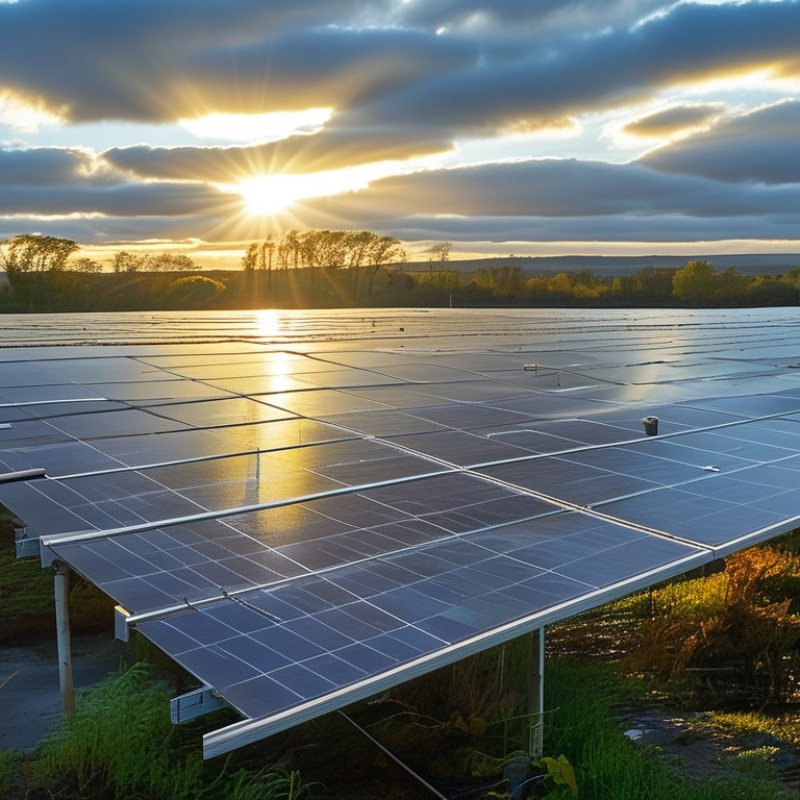
Solar energy production tends to decrease on cloudy days. However, it does not stop entirely. In fact, solar panels can generate power even under overcast skies. This is because they rely on diffuse sunlight. When clouds cover direct sunlight, solar panels can still utilize the scattered light. Understanding this can change perceptions about solar energy efficiency.
Effective utilization on cloudy days involves some strategies. Adjusting the angle of the solar panels can help capture more light. Regular maintenance ensures that panels are clean, maximizing their ability to collect sunlight. Energy storage systems, such as batteries, become particularly valuable. They store excess energy produced on sunny days for use when sunlight is limited.
Many users underestimate the energy production potential during cloudy weather. Some people may feel frustrated if their systems produce less energy. This frustration is natural but often overlooks the bigger picture. Consistent monitoring and data analysis are essential. They provide insights into energy output trends and optimize system performance. Embracing these details can help users make the most of their solar energy systems, even when the sky is gray.
Cloudy days can still provide opportunities for solar energy utilization. However, several key factors influence solar panel efficiency in these conditions. The type of solar panel technology plays a significant role. For instance, monocrystalline panels typically perform better in low light than their polycrystalline counterparts. This is crucial when the skies are overcast.
Tip: Opt for high-efficiency panels. They tend to produce more energy even in dim light. Check specifications and reviews before making a selection. Ensuring proper positioning of the panels is also essential. Angle the panels to capture the maximum amount of diffuse light available.
Another important factor is the surface area of the solar panels. Larger panels can capture more sunlight, even on cloudy days. However, bigger isn’t always better. Take into account your available space and energy needs.
Tip: Regular maintenance is vital. Clean panels can absorb more light. Dust and debris can hinder efficiency, especially in unpredictable weather. Monitor performance and adjust as needed to maximize your energy production.
Cloudy days can be a challenge for solar energy systems. However, innovative technologies are emerging to enhance energy capture even in less-than-ideal weather. One such advancement is the use of bifacial solar panels. These panels can capture sunlight from both sides, maximizing energy production when reflected light hits the back side. This design significantly improves performance on overcast days.
Another promising technology is the integration of energy storage systems. These systems store excess energy generated during sunny days, allowing homeowners to utilize that stored energy when cloud cover limits solar production. Additionally, real-time monitoring software can provide insights into energy generation patterns. Users can adjust their energy consumption based on forecasted weather, ensuring they maximize usage when solar output is low.
While these technologies provide benefits, they are not flawless. Bifacial panels may require specific installation orientations. Energy storage systems can be costly and need regular maintenance. It's crucial to weigh these factors against potential benefits. Continuous innovation is key to improving solar energy efficiency during cloudy conditions.
This chart illustrates the average solar energy captured under different weather conditions. As shown, sunny days provide the maximum energy capture compared to partly cloudy, cloudy, and rainy days. Innovative technologies can help improve the efficiency of solar panels, especially on cloudy days.
Cloudy days can pose challenges for solar energy usage, but effective energy storage solutions can bridge the gap. Battery systems, such as lithium-ion or lead-acid batteries, play a crucial role. These batteries store excess energy generated on sunnier days. During overcast conditions, stored energy can power your home seamlessly.
Consider integrating a home energy management system. This system optimizes energy flow. It tracks usage patterns, ensuring that stored energy is used efficiently. Such systems can also forecast energy needs, making adjustments as needed.
Not all energy storage solutions fit every household. Factors like energy consumption, climate, and budget play a significant role in selection. Some users report their batteries depleting faster than expected. This emphasizes the importance of regular monitoring. Always assess your energy needs to ensure your system meets them.
Solar energy systems can still perform effectively on cloudy days. A study by the National Renewable Energy Laboratory (NREL) reveals that solar panels can produce 10-25% of their rated capacity during overcast weather. This data shows that even without direct sunlight, solar energy remains a viable energy source.
In regions like Germany, where cloudy days are common, solar energy has become a significant part of the energy mix. In 2022, Germany generated about 10% of its total energy demand from solar power, despite frequent cloud cover. This demonstrates the potential for solar energy in less-than-ideal conditions. By optimizing panel orientation and investing in high-efficiency solar technology, such as bifacial modules, users can further enhance energy capture.
Additionally, it's essential to consider local climate conditions. A case study from the UK indicates a 15% decrease in energy yield on cloudy days compared to sunny conditions. This variation highlights the need for accurate forecasting tools. These tools can predict output based on real-time weather data, allowing users to manage energy consumption more effectively. However, reliance on forecasts requires continuous improvement for better accuracy.
: Yes, solar panels can generate power even on cloudy days. They utilize diffuse sunlight.
Adjusting the angle of panels helps capture more light. Regular maintenance also maximizes efficiency.
Batteries store excess energy from sunny days for use during cloudy conditions, ensuring a consistent power supply.
It optimizes energy flow and usage. This system tracks patterns and forecasts energy needs for better efficiency.
Factors such as energy consumption and climate can affect battery life. Monitor your system regularly to stay informed.
Consider your energy consumption, local climate, and budget to select the best fit for your household.
Cloudy weather typically decreases efficiency, but understanding and adapting can help improve performance.
It's common to feel frustrated with less output on cloudy days. This can overlook the potential of solar energy systems.
In exploring "How to use solar energy during cloudy days," it is essential to understand that solar panel production can still be significant even in overcast conditions. Factors such as the angle of panels, the type of solar cells used, and environmental elements like temperature play crucial roles in determining efficiency. To mitigate the impact of reduced sunlight, innovative technologies like bifacial panels and solar trackers can enhance energy capture.
Moreover, effective energy storage solutions become vital in ensuring that excess energy produced during sunnier periods can be utilized when the skies are gray. Real-world case studies demonstrate that regions with diverse weather patterns can successfully harness solar energy, showcasing the adaptability and resilience of solar technology. By implementing these strategies and innovations, users can maximize their solar energy utilization, even when cloud cover poses a challenge.

Eco Sun Power