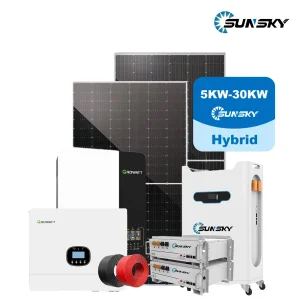
Advanced Solar Power Lithium Battery Energy Storage Solutions

Still deciding? Get samples of $ !
Order Sample

Product Description

📊 Overview

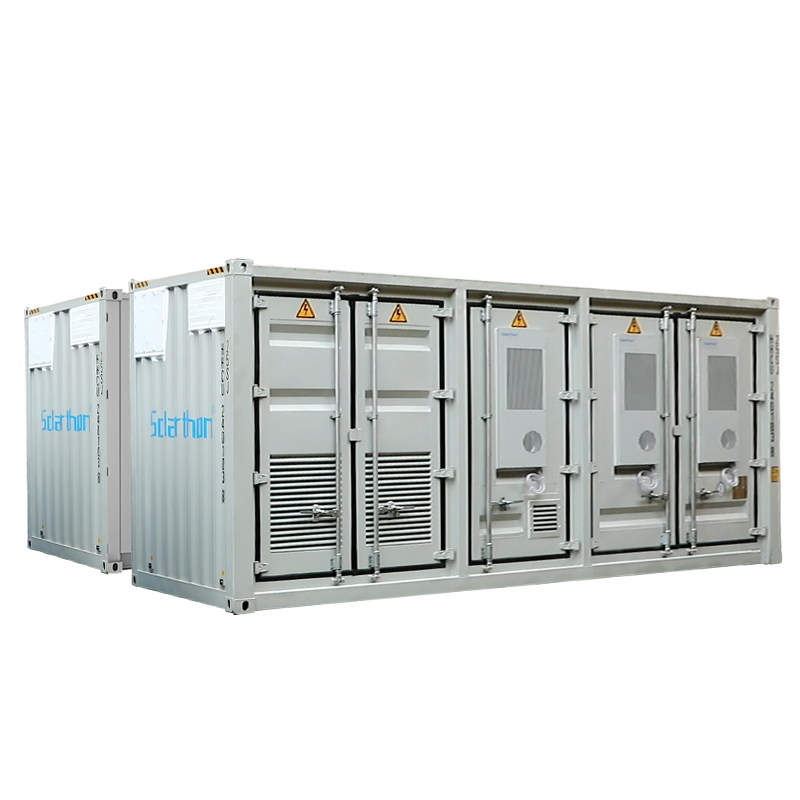
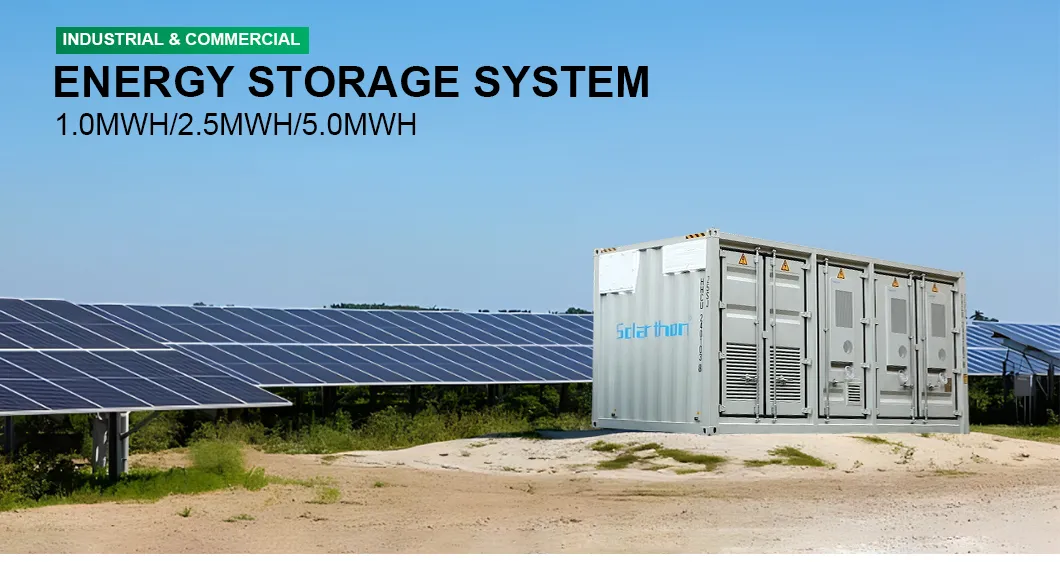
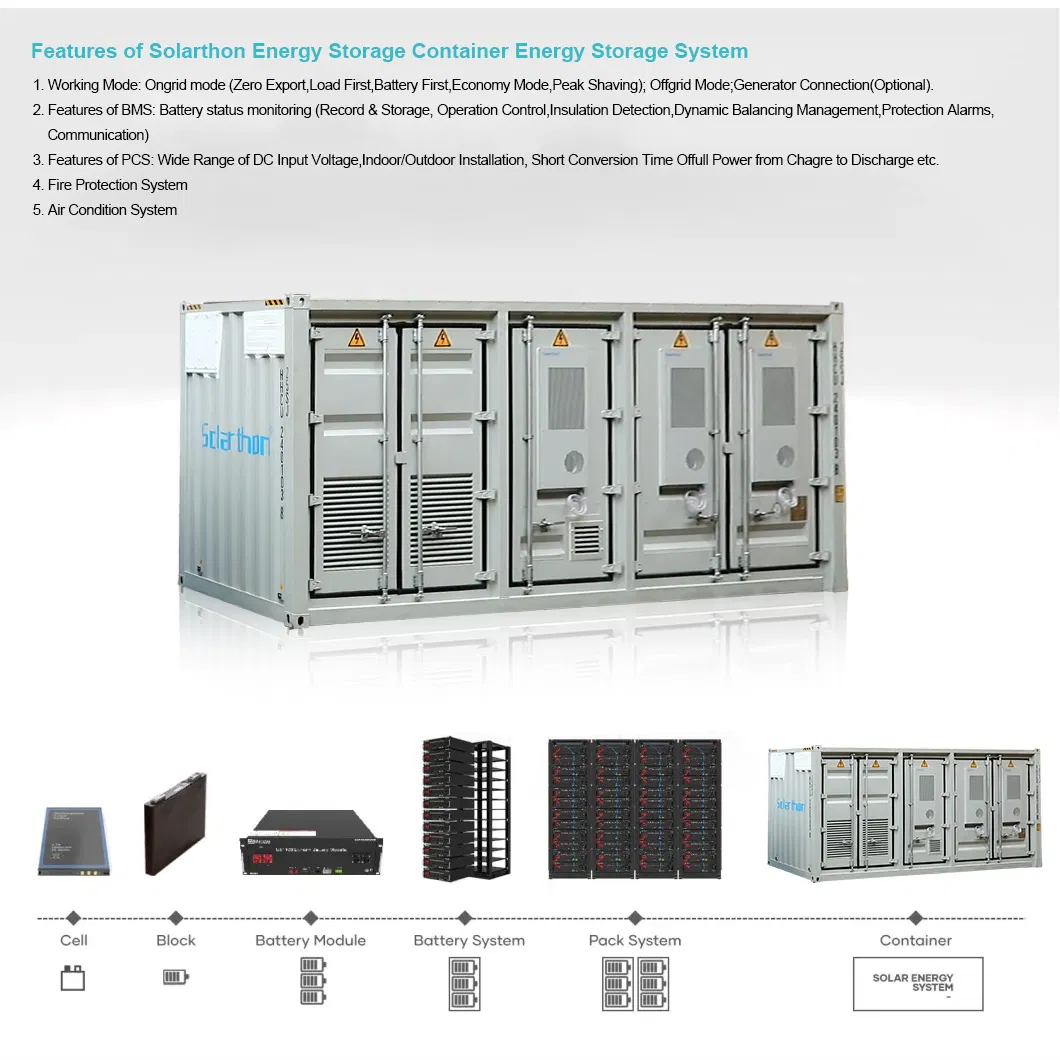
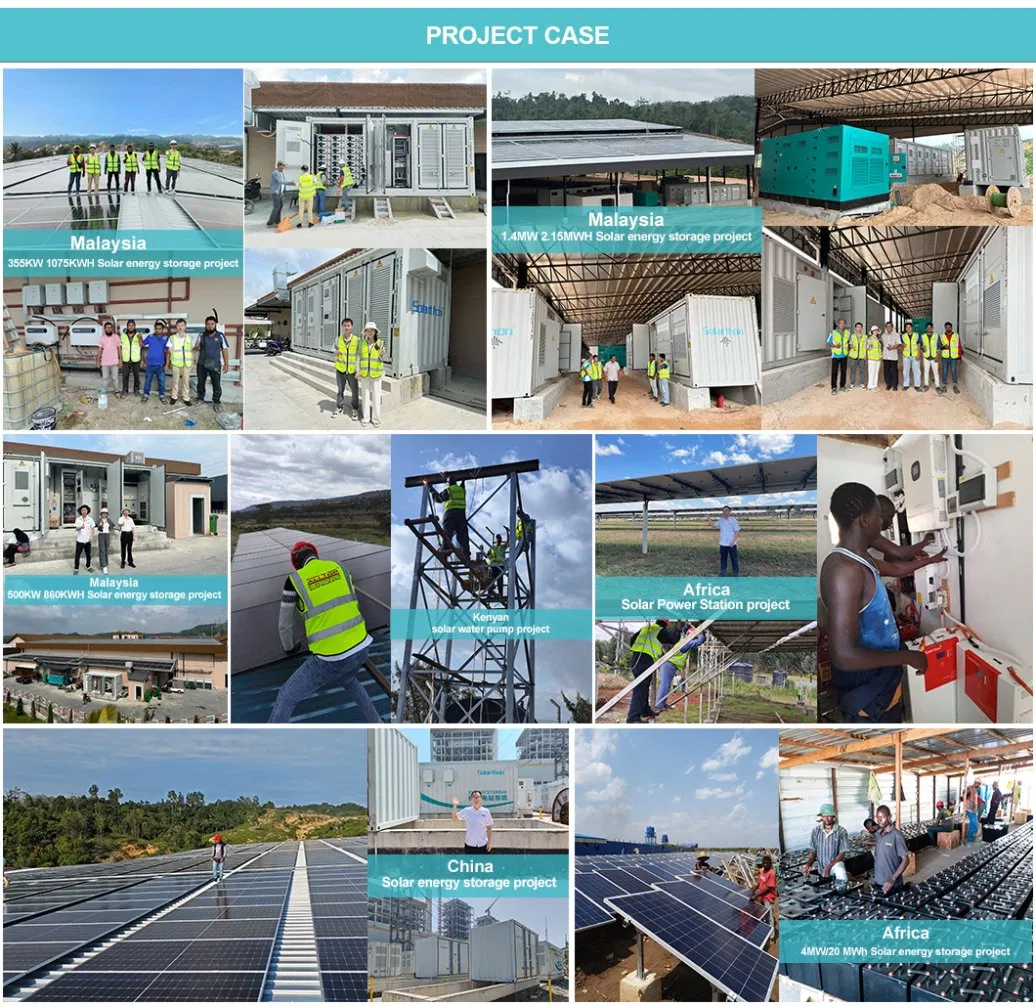
Advanced Battery Energy Storage System (BESS) containers, meticulously crafted with a modular design for seamless customization.

Our state-of-the-art containerized Energy Storage System (BESS) stands as the definitive solution for large-scale energy storage projects. These highly adaptable storage containers seamlessly incorporate various advanced storage technologies, making them the ideal choice for a wide range of applications.

Model:1MW
Warranty:3 years
Capacity:300kw-1MW
Cycle Life:50000h
AC Frequency:50Hz/60Hz
Battery Type:Lithium Iron Phosphate
⚙️ Product Parameters
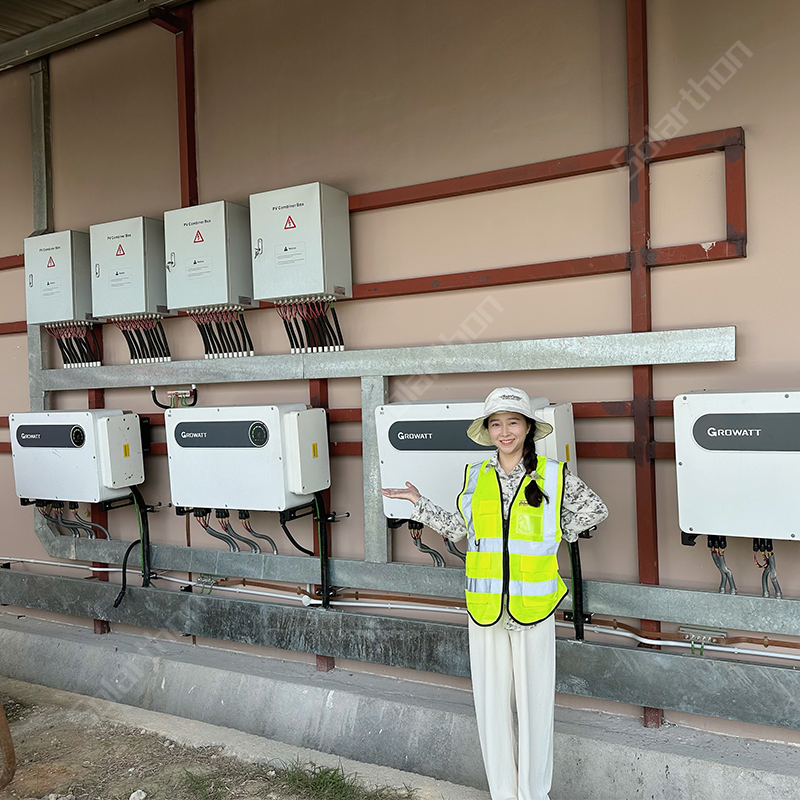
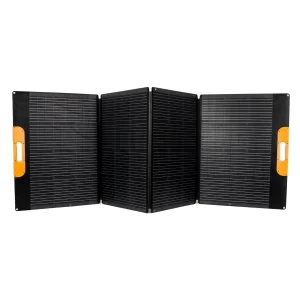
500KW PCS AND SOLAR CHARGER
AC Input/OutputAC380V, 50/60Hz, 10MPPT 400VAC
Max. PV Input Voltage1000V
MPPT Voltage Range250-850V
Max Efficiency98.1%
Protection / WarrantyIP65, 5 Years
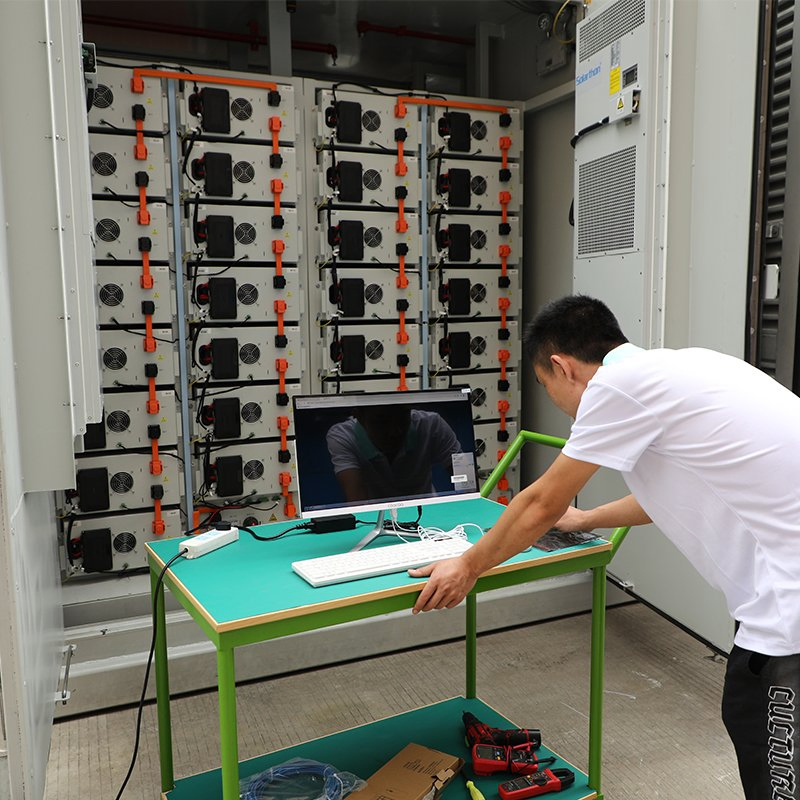
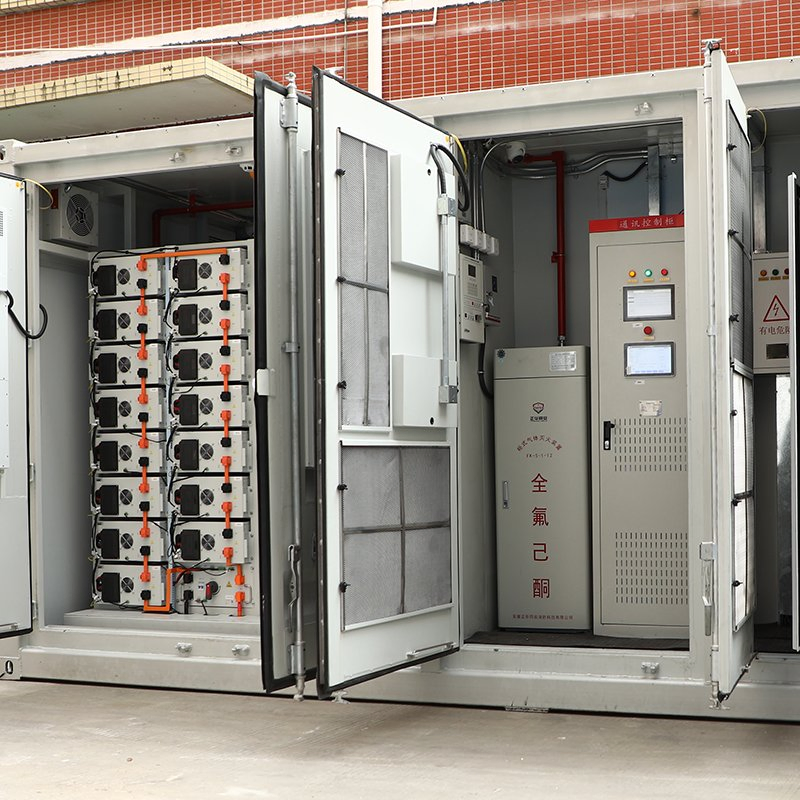
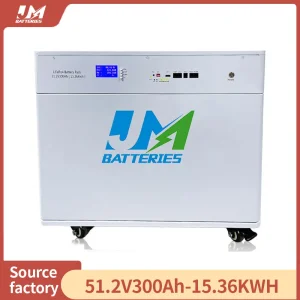
1075KWh Battery Bank Details
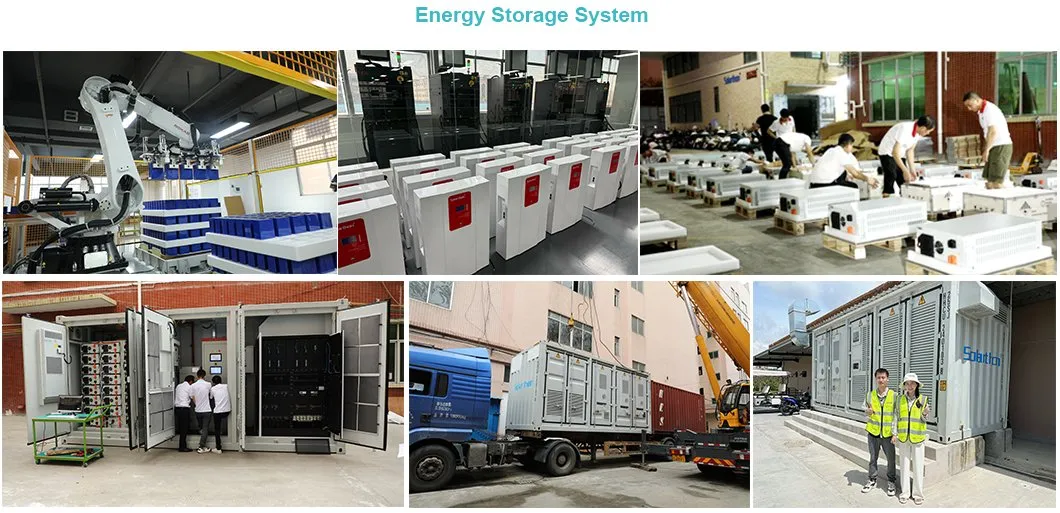
20-foot Container, Battery Cluster
768V / 1400AH
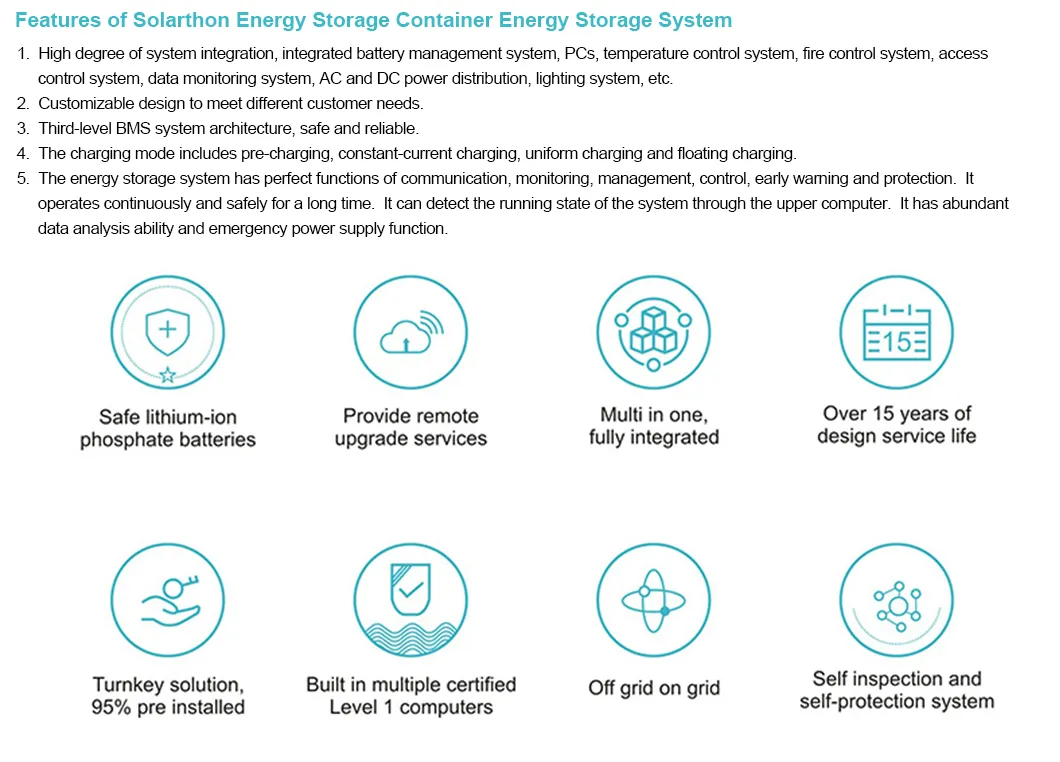
EMS & BMS Three-Level Management System
Auxiliary System Included
Our Advantages
📜 Certifications
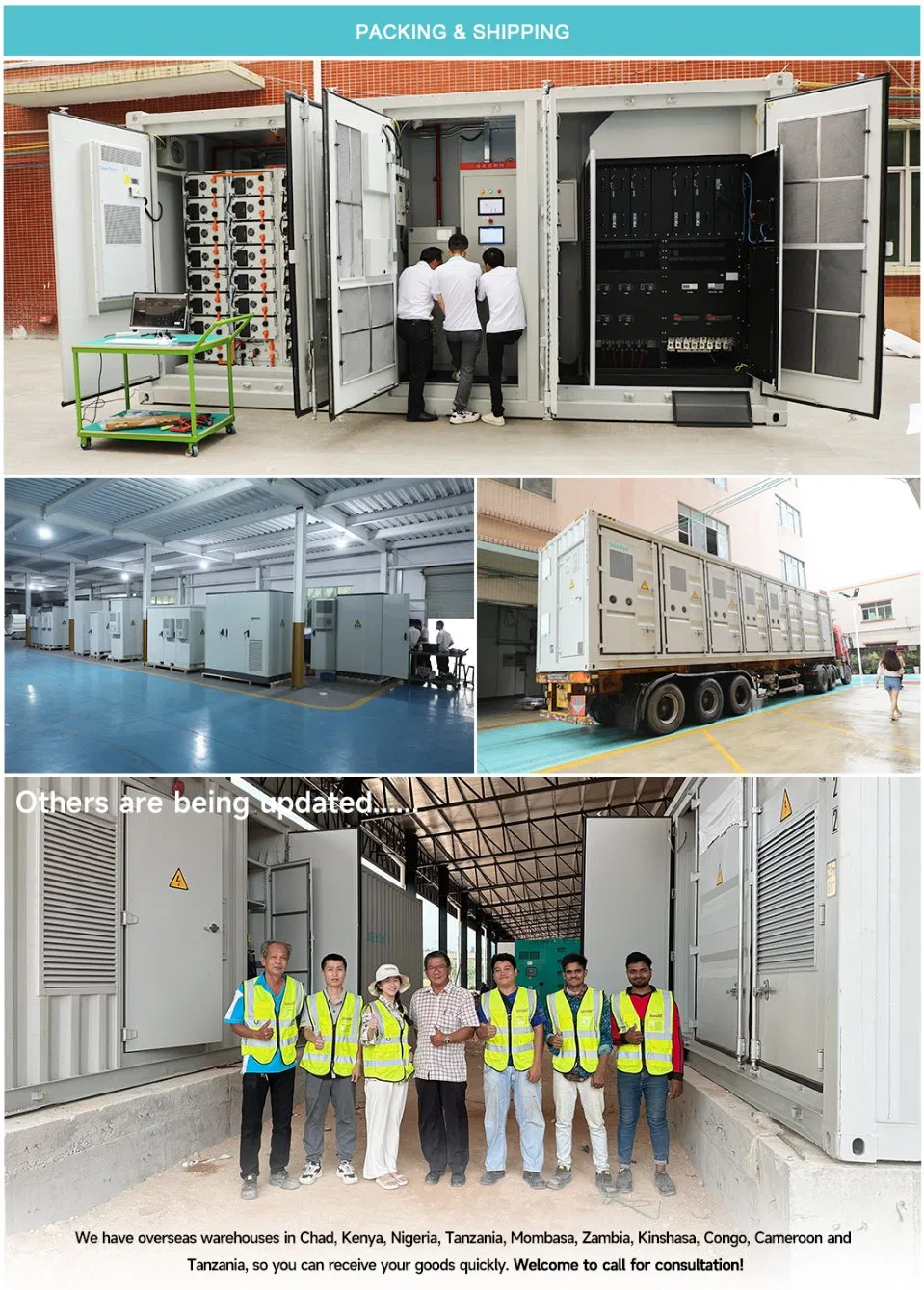
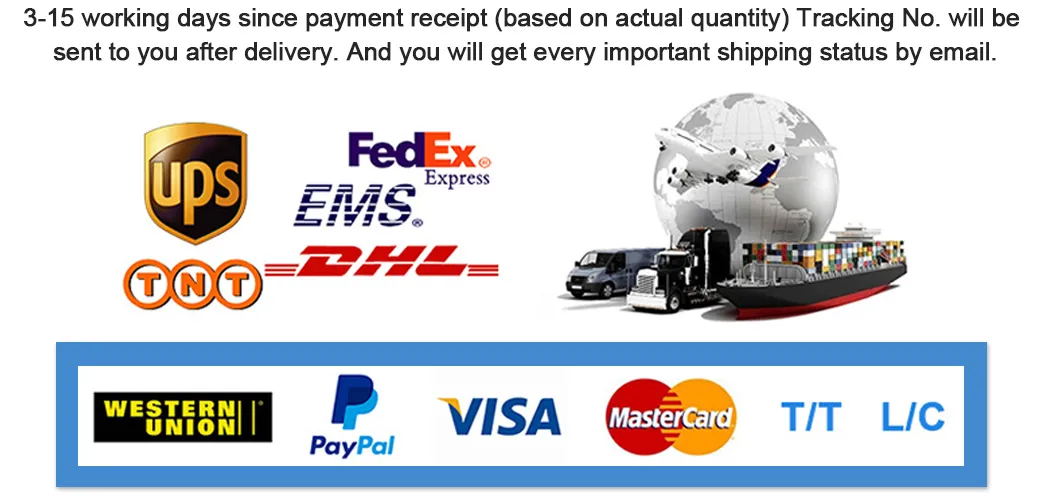
🚢 Packaging & Shipping
Frequently Asked Questions
Q: Are your inverters pure sine wave output?
A: Yes, all our inverters provide true pure sine wave output, ensuring high-quality performance comparable to the public power grid.
Q: What kind of output voltages can you provide?
A: Normally, we offer inverters with 110V, 115V, 120V, 220V, 230V, and 240V, with 50/60Hz self-adaptation.
Q: What is the difference between pure sine wave and modified sine wave?
A: Pure sine wave inverters have lower repair rates, longer lifespans, and protect appliances. Modified sine wave can adversely affect inductive loads like air conditioners.
Q: What appliances can your inverters load?
A: Our inverters support household, office, and agricultural appliances, including inductive loads such as refrigerators and water pumps.
Q: How do you handle technical problems or broken products?
A: We offer 24-hour after-service consultancy. For faulty products, we analyze photos/videos and provide free spare parts or PCB boards.
Q: What's the difference between 12, 24, and 48 volt inverters?
A: These refer to the battery bank input voltage. Higher voltages allow for smaller wires between the solar array and battery bank.

Related Products